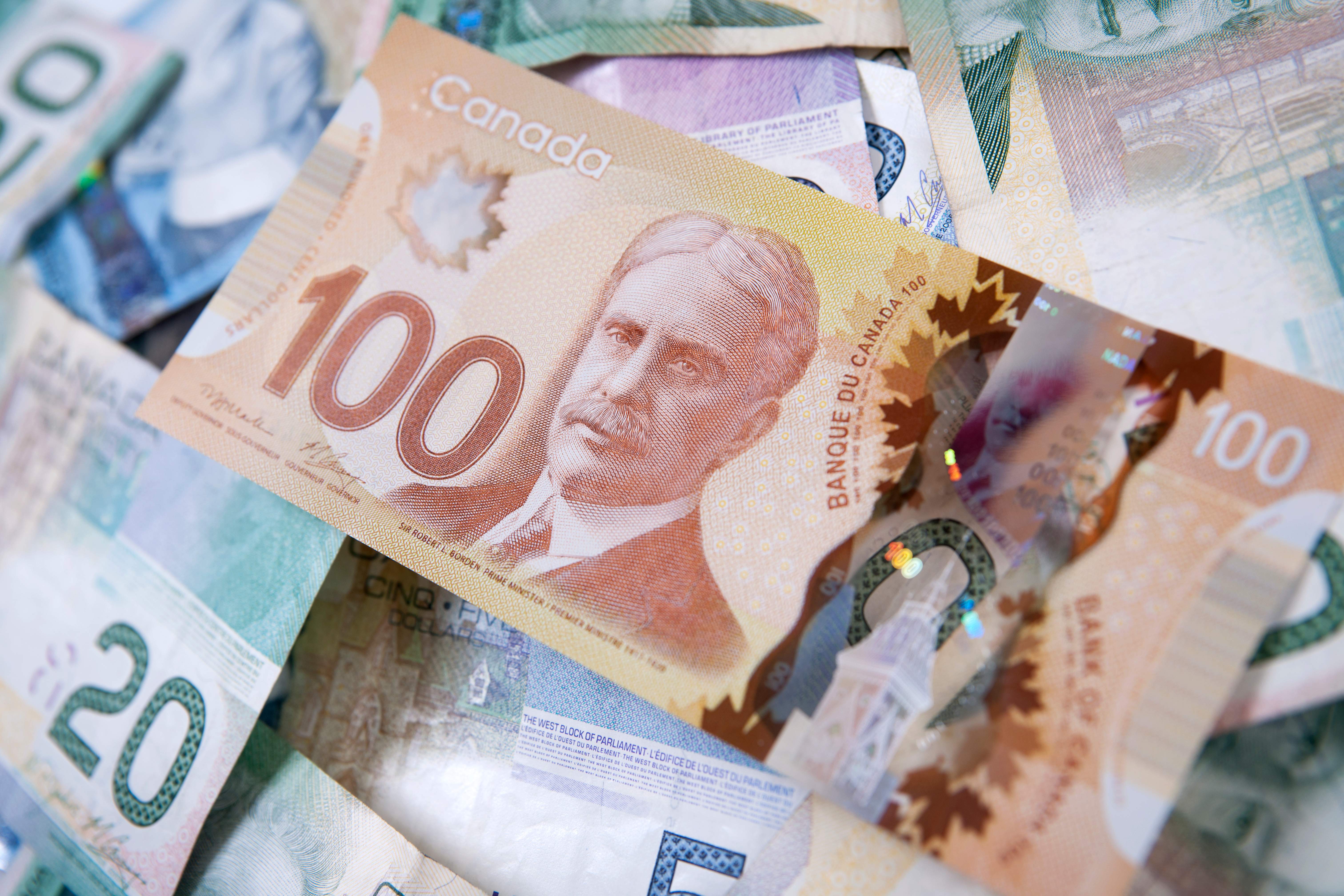
Trust is an invisible architecture. We build our lives inside its walls, assuming the foundation is poured deep into bedrock, inspected by engineers, and fortified by laws we rarely stop to read. We hand over our life savings, our retirement plans, and the quiet dignity of decades of early mornings and late nights, trusting that the system holds.
Then comes the quiet morning when the doors are locked.
Consider a hypothetical investor we will call Arthur, a man who spent forty years waking up before dawn to manage a commercial kitchen in Calgary. Arthur never learned the vocabulary of high finance. He did not know the Greek letters that Wall Street uses to measure risk, nor did not care for the jagged movements of global equities. Arthur understood three things: hard work, compound interest, and the man who sat across from him with a warm smile, a tailored suit, and a ledger that only ever went up.
That man was promise incarnate. Or so Arthur thought.
Behind the glass-fronted offices and the immaculate presentation decks lay something far older than modern banking: a mechanism driven entirely by human vulnerability. When a Calgary man was officially charged with orchestrating a staggering $164 million Ponzi scheme, the headlines reduced the tragedy to a ledger of numbers. One hundred and sixty-four million dollars. More than one thousand victims. Cold statistics meant to be scanned over morning coffee and forgotten by noon.
Numbers lie because they do not bleed.
To understand how a thousand people hand over their futures, you must abandon the notion that victims are foolish. Greed is rarely the primary engine of these catastrophes. Hope is. The desperate, entirely human hope that life might soften its edges, that the mounting cost of living might finally be beaten, and that a secure old age is within reach.
The mechanics are deceptively simple, yet psychologically airtight. Fraud of this scale does not announce itself with sirens. It arrives dressed in whispered exclusivity. It asks you to join an inner circle. It offers returns that defy the sluggish crawl of traditional markets, yet remain just believable enough to quiet the nagging voice of skepticism.
Money flows in. But it does not go to the lucrative overseas ventures, the hidden real estate portfolios, or the high-yield commodities promised in the glossy brochures. That is the stagecraft. The money from the newest believer simply pays off the dividends of the last. It is a financial treadmill running entirely on fresh air and relentless momentum.
Until the day it stumbles.
In financial forensics, investigators look for the paper trail. They trace wire transfers through shell corporations, cross-reference bank statements, and count the luxury vehicles parked in suburban driveways. But the real trail is emotional. It exists in the delayed retirement parties, the cancelled college funds, and the sudden, suffocating realization that the safety net was made of cotton candy.
When the scheme collapsed in Calgary, the fallout did not make a sudden, deafening crash. It happened in kitchen silence. It happened in the quiet panic of elderly couples staring at online banking portals that suddenly refused to load. It happened when phone calls to the charismatic advisor went straight to voicemail, and the office address yielded only a bare room and a notice taped to the glass.
We comfort ourselves by believing we are immune. We tell ourselves that we read the fine print, that we ask the hard questions, that we would spot the fraud before the ink dried. This is a comforting myth. Fraudsters do not sell investments; they sell certainty in an uncertain world. They offer an anchor to people drowning in inflation, medical bills, and economic anxiety.
The law will eventually take its course. Courts will convene, evidence will be entered into the record, and gavels will fall. Sentences will be handed down, measuring justice in years behind bars. Yet, no judicial verdict can restore the lost years or rebuild the fractured trust that allows a society to function.
Every major financial scandal leaves behind a scar tissue of cynicism. The next time Arthur is approached by someone offering security, the warmth in his eyes will be replaced by a cold calculation. He will look for the catch. He will doubt the handshake. And that, perhaps, is the most tragic loss of all: the quiet erosion of our willingness to believe in one another, stolen dollar by dollar, by those who learned how to weaponize our deepest hopes.