The Department of Homeland Security is currently staring down the barrel of a partial shutdown because the Senate has reached a familiar, bitter impasse over border enforcement and immigration policy. Senate Democrats recently floated a counteroffer intended to bridge the gap between partisan funding priorities, but Republicans immediately rejected the proposal as insufficient and fundamentally flawed. This is not just a disagreement over line items; it is a fundamental clash over how the United States should manage its southern border and what role the federal government should play in processing or detaining those who cross it.
At the heart of the conflict lies a massive discrepancy in how both parties view the "emergency" at the border. Democrats are prioritizing "humanitarian pathways" and increased staffing for processing centers to manage the flow of migrants more efficiently. Republicans, conversely, are demanding a return to strict detention mandates and the construction of physical barriers, viewing any move toward "processing" as an invitation for more illegal crossings. When the Democrats' counteroffer hit the floor, it was met with cold silence and swift condemnation from GOP appropriators who felt the proposal ignored their core demands for stricter enforcement mechanisms. Meanwhile, you can read related developments here: The Cold Truth About Russias Crumbling Power Grid.
The Calculus of a Calculated Rejection
The Republican refusal to entertain the Democratic counteroffer was not a spontaneous act of defiance. It was a strategic move rooted in the belief that the current administration’s border policies are the primary driver of the migrant surge. By rejecting the counteroffer, Republicans are signaling that they will not sign off on any funding bill that does not include specific, hardline enforcement triggers. They want more than just money; they want a total pivot in policy.
The Democratic proposal reportedly shifted funds away from ICE detention beds—a perennial flashpoint in these negotiations—and toward legal representation and community-based programs for migrants awaiting court dates. To a veteran observer of the Hill, this was a predictable move that was always going to be DOA (dead on arrival) with the current GOP leadership. Republicans view the reduction of detention beds as a "catch and release" policy by another name. They argue that without the threat of certain detention, the legal system loses its ability to deter illegal entries. To explore the full picture, check out the detailed report by NPR.
The Hidden Cost of the Continuing Resolution Trap
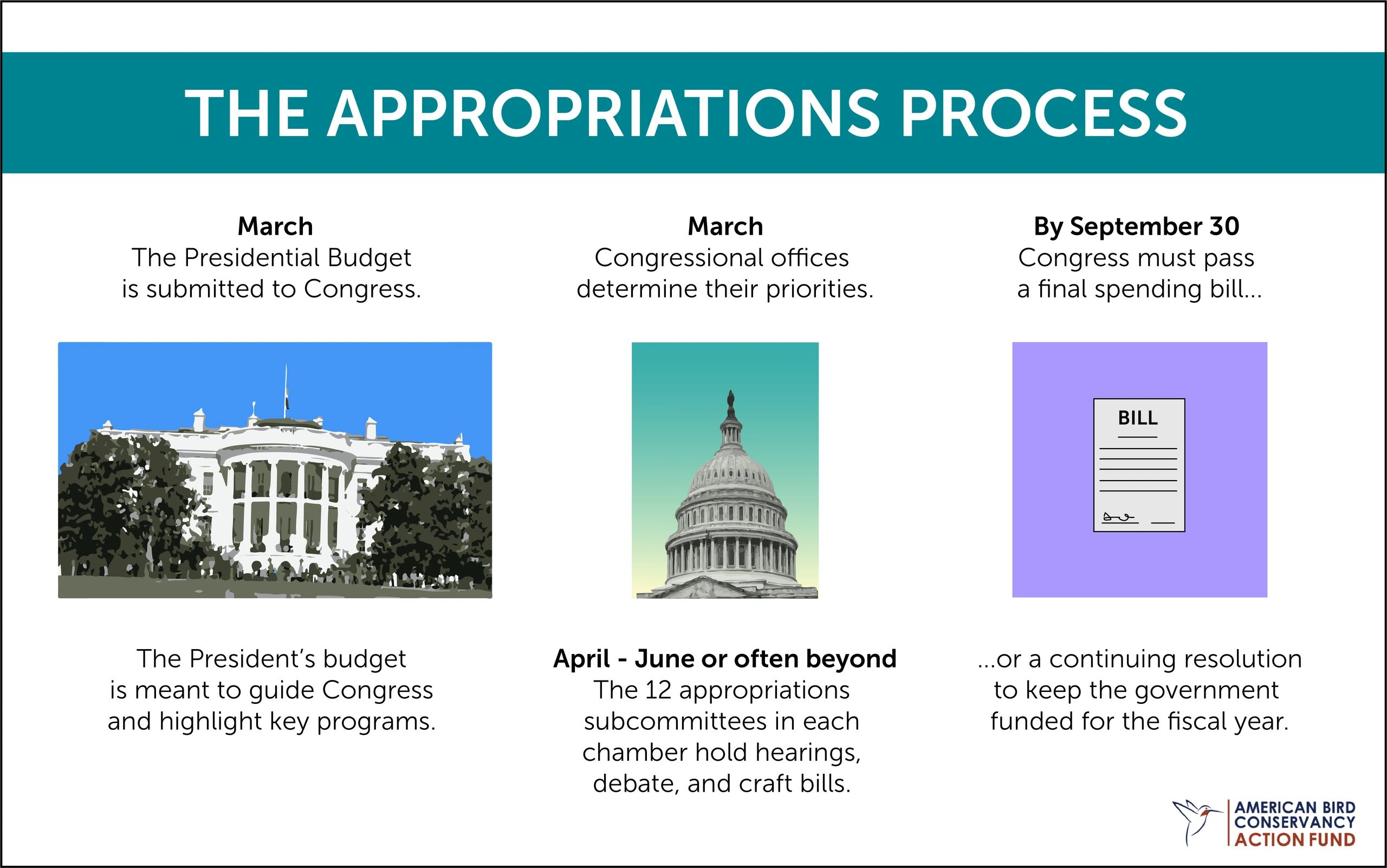
While the headlines focus on the political theater of the "counteroffer," the real damage is being done to the agency’s long-term operational health. Every time Congress fails to pass a full-year appropriations bill, the DHS is forced to operate under a Continuing Resolution (CR). A CR freezes spending at the previous year's levels. This sounds stable in theory, but in practice, it is a slow-acting poison for an agency dealing with a rapidly evolving crisis.
Under a CR, the DHS cannot start new programs. It cannot sign new contracts for advanced surveillance technology. It cannot adjust its payroll to account for the massive overtime being worked by Border Patrol agents on the front lines. The irony is that by fighting over how to fix the border, both parties are effectively starving the people tasked with managing it. The current stalemate ensures that the very "chaos" Republicans complain about and the "humanitarian failures" Democrats decry are both exacerbated by a lack of flexible, modernized funding.
The Detention Bed Myth
There is a persistent narrative that the number of detention beds is the single most important metric for border security. This is a simplification that ignores the logistical reality of the DHS. Even if Congress funded 100,000 beds tomorrow, the agency does not have the transport infrastructure or the personnel to manage that population overnight.
The Democratic counteroffer sought to address this by moving funds into "Alternatives to Detention" (ATD). These programs use GPS tracking and periodic check-ins to monitor migrants. Republicans argue these programs have high "abscondment" rates—meaning people disappear into the interior of the country. Democrats counter that ATD is a fraction of the cost of physical detention and allows for a more humane approach. Both sides are working with different sets of data, often cherry-picked to support their ideological silos. The truth is that ATD works for some populations and fails for others, but in a polarized Senate, there is no room for a nuanced, tiered approach.
Why Compromise is Currently a Political Liability
In an election year, a compromise is often viewed as a surrender. For many Republicans, agreeing to a DHS funding bill that doesn't "shut down the border" is a non-starter that could invite a primary challenge from the right. For Democrats, agreeing to massive increases in deportation and detention funding risks alienating the progressive wing of the party and the advocacy groups that form a crucial part of their base.
This has turned the DHS budget into a hostage. It is no longer about whether the Coast Guard has enough fuel for its cutters or if TSA has the latest screening equipment. It is about whether the U.S. government should be in the business of welcoming or repelling people at its gates. Because neither side can agree on that fundamental philosophy, the mundane task of keeping the lights on at the department becomes an impossible feat of legislative gymnastics.
The Impact on National Security Beyond the Border
While the border dominates the conversation, the DHS is responsible for much more. The current funding gap threatens the Cybersecurity and Infrastructure Security Agency (CISA), which is tasked with protecting the nation’s power grids and election systems from foreign interference. It threatens the Secret Service during a high-stakes campaign season. It threatens FEMA at a time when climate-related disasters are becoming more frequent and more expensive.
When the Senate bickers over a border counteroffer, they are also stalling the modernization of the nation’s cyber defenses. They are delaying the rollout of new maritime security protocols in the Pacific. The tunnel vision on the southern border has created a massive blind spot in other critical areas of national security.
The Mechanics of the Impasse
The specific sticking points in the latest round of talks involved "discretionary" versus "mandatory" spending. Republicans want to lock in high levels of enforcement funding that the executive branch cannot redirect. Democrats want "flexibility" to move money where it is needed most as the situation on the ground changes.
This lack of trust is the defining feature of the current Congress. Republicans do not trust the current administration to enforce the law, so they attempt to write the law in a way that leaves no room for administrative discretion. The administration views these attempts as "poison pills" designed to sabotage their ability to manage the border humanely.
The result is a legislative feedback loop:
- Democrats offer a plan focused on processing and legal pathways.
- Republicans reject it, demanding more detention and "remain in Mexico" style policies.
- The deadline approaches.
- A short-term "laddered" CR is passed to avoid a shutdown.
- The cycle repeats three months later.
Moving Toward a Breaking Point
We are reaching a stage where the "status quo" of constant crises is no longer sustainable. The DHS workforce is exhausted. Morale within the Border Patrol and ICE is at historic lows. When agents see their funding used as a pawn in a Senate game of chicken, they don't see "principled stands"—they see a government that has abandoned them.
The counteroffer was never meant to be the final word. It was a test of the GOP’s appetite for negotiation. The answer was a resounding "no." This suggests that the path to a full-year funding bill doesn't exist in the current political climate. We are likely looking at a series of rolling shutdowns or a year-long CR that will leave the agency in a state of managed decline.
The real tragedy is that there are areas of agreement. Both sides know the asylum system is broken. Both sides know the immigration courts are backed up by years. Both sides know that more technology is needed at ports of entry to stop the flow of fentanyl. But these common-sense fixes are buried under the weight of the larger ideological war.
If you want to understand why the border remains a crisis, don't look at the maps or the river crossings. Look at the Senate floor, where a simple counteroffer is treated as an act of war, and where the safety of the nation is secondary to the optics of the next campaign ad.
Watch the next round of "emergency" supplemental requests. That is where the real money moves, usually in the middle of the night, long after the press releases about "balking" at counteroffers have been forgotten.