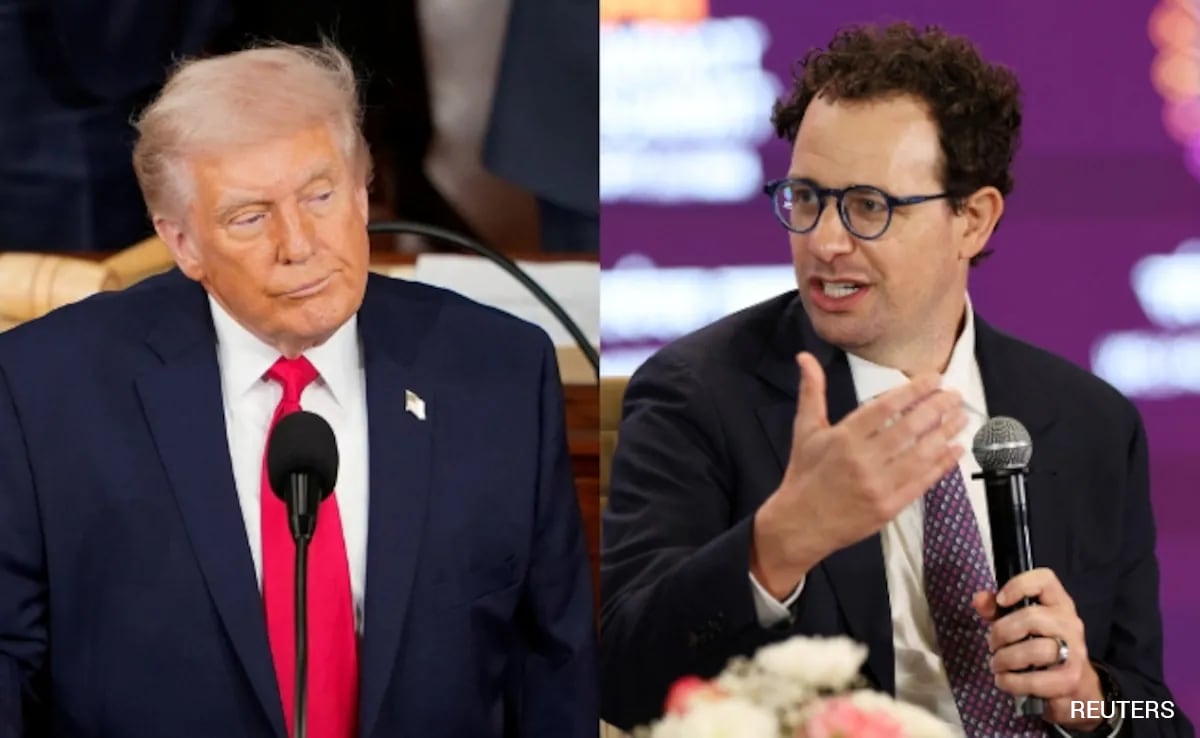
The Trump campaign tried to use Anthropic's AI to power its outreach. Anthropic said no. It wasn't a quiet disagreement. It was a firm, public rejection that highlights the growing friction between Silicon Valley’s "safety first" AI labs and the high-stakes world of American politics. While other tech companies are loosening their rules to avoid claims of bias, Anthropic is doubling down. They’re betting that staying out of the political fray is safer than being the engine behind a digital campaign blitz.
The core of the conflict isn't just about one candidate. It’s about whether AI companies should be neutral utilities or active gatekeepers. When the Trump team sought to integrate Claude—Anthropic's flagship large language model—into their operations, they hit a wall. Anthropic’s terms of service explicitly prohibit using their tools for political campaigning or lobbying. They didn't make an exception.
The Policy That Triggered the Shutdown
Anthropic isn't like OpenAI or Google. They started as a "safety-focused" offshoot, founded by former OpenAI executives who felt the industry was moving too fast. Their "Constitutional AI" framework is designed to make the model follow a specific set of rules. One of those rules is a strict ban on political use.
The Trump campaign reportedly wanted to use the AI for high-volume tasks. We're talking about personalized fundraising emails, SMS targeting, and perhaps even drafting policy responses. Anthropic’s automated systems and manual reviews caught the activity. They issued a warning. Then they cut off access. This wasn't a technical glitch. It was a deliberate enforcement of a boundary that most of the tech world is still trying to define.
Most people don't realize how much these models are already being used behind the scenes. Campaigns are desperate for efficiency. If an AI can write 10,000 unique emails in five minutes, that’s a massive advantage. But Anthropic argues that this scale leads to misinformation and the erosion of public trust. They aren't just worried about "fake news." They’re worried about the sheer volume of AI-generated noise drowning out human discourse.
Why Team Trump is Pushing Back
The response from the Trump camp was predictable. They view this as Silicon Valley censorship. In their eyes, a tech company is once again interfering with a democratic election by denying a major candidate the same tools used by private corporations. It’s a powerful narrative. It taps into a long-standing grievance regarding how platforms like X (formerly Twitter) and Facebook handled political content in the past.
But there’s a nuance here. Anthropic didn't just ban Trump. They ban everyone from using Claude for these specific purposes. If the Democratic National Committee tried the same thing, they’d face the same digital lockout. The problem for the Trump campaign is that they’re often the ones pushing the envelope on aggressive digital marketing. They want the best tools. Right now, Claude is arguably one of the most capable models for nuanced writing. Being denied access hurts their operational speed.
The campaign’s legal and communication teams have hinted that this is a "halt" on innovation. They argue that AI should be a tool for everyone, like a telephone or a typewriter. You don't see AT&T cutting off a candidate's phone lines because they don't like the stump speech. So why should an AI company get to decide who uses its processing power?
The Danger of AI in Election Cycles
We have to look at the math of 2026 politics. The cost of generating a persuasive, personalized message has dropped to nearly zero. In previous years, you needed a room full of copywriters. Now you need a prompt.
Anthropic’s refusal to participate is a form of risk management. They saw what happened to social media giants after 2016 and 2020. No one wants to be the company that "broke" the election. By maintaining a blanket ban, they avoid the messy job of fact-checking every single output. It’s a clean break.
What Anthropic is Afraid Of
- Mass Persuasion: AI can tailor messages to an individual’s specific fears or desires.
- Deepfakes: While Claude is text-based, the instructions it generates could be used to fuel audio or video misinformation.
- Hallucinations: AI gets facts wrong. A "hallucinated" policy stance could spark a national scandal before anyone realizes the bot made it up.
A Growing Divide in Silicon Valley
This clash reveals a massive split in the industry. On one side, you have the "Accelerationists." They think the tech should be out there, bugs and all, and the market will sort it out. On the other side, you have the "Safetyists," like Anthropic. They believe the risks are existential.
The Trump campaign’s run-in with Anthropic is a precursor to a much larger legal battle. Expect to see more discussions about "Common Carrier" status for AI companies. If AI becomes as essential as electricity, can a company legally deny service based on the user’s intent? That’s the multi-billion dollar question.
For now, Anthropic is holding the line. They’ve made it clear that Claude isn't for hire when it comes to the ballot box. It’s a bold move that keeps them out of the legal crosshairs of election regulators, but it puts them right in the middle of the political culture war.
How Campaigns are Pivoting
If you’re running a campaign and get blocked by Anthropic, you don't just stop using AI. You move to open-source models. Llama 3 and its successors don't have the same centralized "off switch." A campaign can download an open-source model, run it on their own servers, and do whatever they want.
This is the irony of Anthropic's ban. It doesn't stop the use of AI in politics. It just moves it to platforms that have even fewer guardrails. The Trump campaign—and others like it—will simply shift their resources to models they can control completely. They’ll trade Claude’s sophistication for the freedom of an uncensored, locally-hosted alternative.
Practical Realities for Political Tech
- Open Source is King: When proprietary systems like Anthropic or OpenAI say no, campaigns turn to Meta’s Llama or Mistral.
- Private Clouds: Serious operations are building their own hardware stacks to avoid being "de-platformed."
- Prompt Engineering: Teams are learning how to "jailbreak" or bypass filters, though this is a losing game as the AI companies tighten their code.
If you’re looking to navigate this space, don't rely on a single provider. The "Anthropic vs Trump" saga proves that access can vanish overnight. Diversify your tech stack. If you're building a platform that relies on AI, make sure you have a backup model ready to go. Understand the terms of service deeply before you build your entire workflow around a model that might have a moral objection to your business. Check your API usage logs regularly. If you see warnings about "policy violations," take them seriously before the kill switch is flipped.


