Geopolitical volatility rarely operates in isolation from fiscal realities. When macroeconomic indicators deteriorate within a primary regional actor, foreign policy instruments shift from diplomatic engagement to coercive extraction. The strategic intersection between domestic economic contraction and foreign aggression follows a predictable behavioral vector. This analysis deconstructs the mechanics driving how systemic fiscal strain within state actors translates directly into heightened security risks across maritime and continental corridors.
The Cost Function of Coercion
State actors facing acute monetary depreciation and resource scarcity encounter a compressed decision matrix. Traditional economic stabilization mechanisms, such as structural reform or foreign direct investment attraction, require long-term capital horizons that unstable administrations rarely possess. Under these conditions, externalizing domestic friction becomes a rationalized optimization strategy for regime survival.
The primary variables governing this dynamic include:
- Domestic Inflationary Pressure: As purchasing power erodes, the cost of civil subsidization increases exponentially, forcing the state to seek alternative revenue channels or external scapegoats.
- Sanction Mitigation Thresholds: Financial isolation restricts traditional trade corridors, compelling actors to exploit strategic geographic choke points to extract economic concessions or illicit rents.
- Domestic Divergence Calculus: Directing public attention toward external security friction alters the internal political calculus, consolidating regime loyalty through manufactured crisis management.
This economic compression model explains why fiscal hardship frequently precedes kinetic escalation rather than dampening adversarial ambitions. When balance sheets deteriorate, the marginal utility of aggressive posturing rises relative to internal economic restructuring.
The Geographic Vector of Gulf Vulnerability
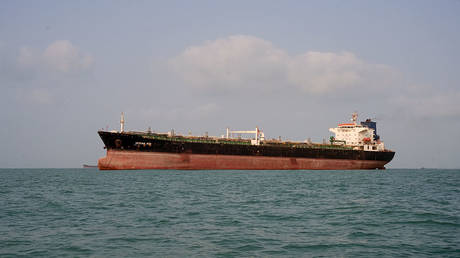
The maritime geography of the Arabian Gulf presents an asymmetric vulnerability matrix. Energy transit arteries and critical infrastructure nodes function as high-value, low-defense targets for actors seeking strategic leverage against broader economic pressures.
Macroeconomic Decline -> Fiscal Depletion -> Coercive Leverage Seeking -> Maritime Choke Point Targeting
The transmission mechanism relies on three distinct operational layers:
- Asymmetric Interdiction: Utilizing proxy networks or conventional naval assets to disrupt commercial shipping lanes alters global energy pricing structures, creating secondary economic shockwaves.
- Infrastructure Coercion: Targeting processing facilities or export terminals maximizes the immediate disruption coefficient per unit of operational expenditure, offering high leverage at minimal cost.
- Diplomatic Extortion: Creating regional instability forces international stakeholders to negotiate sanctions relief or financial concessions to secure maritime commerce.
This creates a systemic vulnerability where localized fiscal shocks export instability directly into global supply chains. The absence of effective deterrence mechanisms compounds the risk, as the target states absorb disproportionate defensive costs while the instigating actor manages minimal financial exposure.
Strategic Operational Forecast
Mitigating this cycle requires shifting from reactive defensive postures to structural economic denial frameworks. Traditional deterrence models that rely solely on conventional military positioning fail to account for the internal economic drivers compelling the adversary.
To disrupt the feedback loop between fiscal contraction and regional aggression, policy architecture must target the financial logistics underpinning proxy networks rather than solely addressing tactical symptoms.
- Enforce absolute compliance monitoring on illicit commodity transport to sever secondary revenue generation.
- Increase regional intelligence sharing regarding financial flows that fund asymmetrical maritime capabilities.
- Establish automated economic penalty triggers tied directly to maritime harassment metrics to eliminate the perceived utility of coercive actions.
Stabilizing regional security corridors ultimately depends on neutralizing the domestic incentives for escalation. Until the cost of externalizing fiscal pain exceeds the survival benefit to the instigating regime, the vector toward regional friction will remain active.