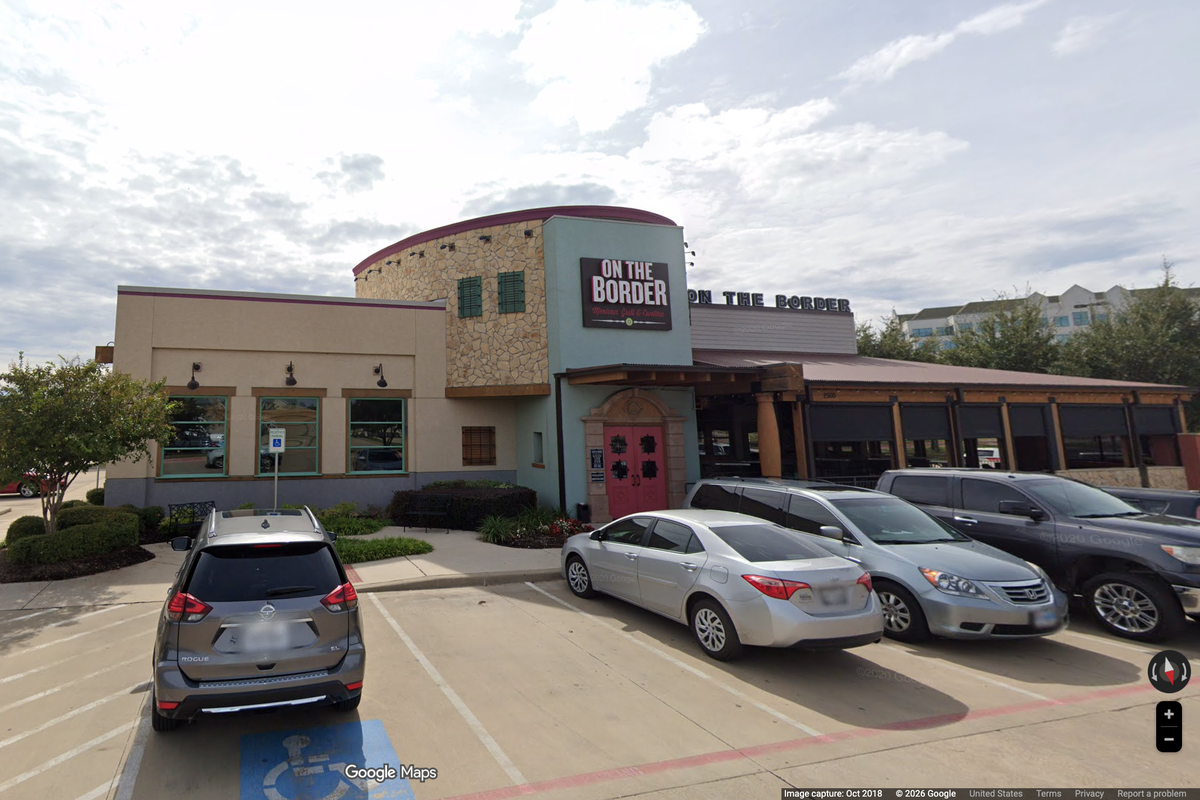
When a fast-casual Mexican restaurant chain collapses and shutters all locations simultaneously, public commentary routinely defaults to generic explanations: rising labor costs, inflation, or shifting consumer preferences. These explanations are symptoms, not root causes. The sudden liquidation of a multi-unit restaurant footprint is invariably the result of a structural breakdown across three specific vectors: unit-level economic degradation, unsustainable debt-service-to-cash-flow ratios, and a failure of supply chain localized density.
To evaluate how a once-expanding brand faces total insolvency, we must analyze the mechanics of restaurant operations through a rigid financial lens. Restaurant survival depends on a fragile equilibrium between prime costs—the sum of Cost of Goods Sold (COGS) and labor—and fixed overhead. When this equilibrium is disrupted, the velocity of capital depletion accelerates exponentially due to the high fixed-cost nature of commercial real estate leases.
The Triad of Fast Casual Vulnerability
A restaurant chain’s operational viability can be decomposed into three interdependent pillars. If any single pillar is compromised, the remaining two experience severe structural strain.
1. Unit-Level Margin Compression
The fast-casual model relies on high throughput to offset relatively high initial build-out costs (CapEx). When customer velocity slows, the fixed components of labor and occupancy costs consume a disproportionate share of top-line revenue.
Margin = Revenue - (Variable COGS + Semi-Variable Labor + Fixed Occupancy + Controllable Expenses)
In a declining market, operators frequently make the mistake of raising menu prices to protect margins. This creates an immediate demand elasticity problem: value-conscious consumers migrate down to traditional quick-service restaurants (QSR) or shift toward grocery alternatives, compounding the volume decline.
2. Supply Chain Fragmentation and Logistical Diseconomies of Scale
Expansions that prioritize geographic footprint over regional density inherently break supply chain efficiency. A Mexican fast-casual concept requires cold-chain logistics for highly perishable ingredients like avocado, proteins, and fresh produce.
If a chain expands into a new state without establishing a minimum critical mass of five to ten units within a specific distribution radius, the logistics cost per unit skyrockets. Freight-on-board (FOB) costs swallow the volume discounts negotiated with national broadline distributors, rendering peripheral locations structurally unprofitable from day one.
3. The Debt Service Trap
Multi-unit acceleration is frequently funded via private equity infusions or senior secured debt rather than organic cash flow. This capital structure introduces rigid debt service obligations. While an independent operator can scale back ownership draws during a down cycle, an institutionalized chain must meet fixed interest payments and leverage covenants regardless of monthly performance. When system-wide EBITDA falls below the debt service coverage ratio (DSCR), total liquidation becomes the primary mechanism for creditors to reclaim residual value.
The Cascade Effect of Discretionary vs Non-Discretionary Expenses
When cash flow tightens, corporate executives systematically misallocate capital by cutting the wrong expenses first. This operational triage follows a predictable, destructive pattern.
Stage 1: Discretionary Cuts (Marketing, Preventative Maintenance)
       │
       ▼
Stage 2: Operational Degradation (Labor Hours Reduced, Lower-Grade Ingredients)
       │
       ▼
Stage 3: Customer Friction (Longer Lines, Quality Drop, Cleanliness Decline)
       │
       ▼
Stage 4: Structural Insolvency (Lease Defaults, Vendor Holds, System Closure)
The initial response to a liquidity crunch is to eliminate discretionary spending, specifically local store marketing and preventative facility maintenance. While this yields an immediate, short-term reduction in cash outflow, it initiates a feedback loop of operational decay. Broken HVAC units, peeling paint, and neglected point-of-sale systems degrade the customer experience, driving down repeat visit frequency.
As revenue continues its downward trajectory, management moves to the next layer of cost-cutting: labor optimization models and ingredient substitution. In a fast-casual Mexican framework, which relies heavily on visible food preparation and perceived ingredient freshness, this is fatal.
Reducing labor hours during peak lunch runs (11:30 AM to 1:30 PM) directly limits maximum throughput. If a line length exceeds a consumer's psychological threshold of an eight-minute wait, that consumer defects permanently. Simultaneously, switching from premium protein trims or fresh-prep salsas to pre-packaged, pasteurized alternatives lowers COGS by a fraction of a percentage point but completely erodes the product differentiation that justified the fast-casual price premium over a QSR competitor.
The Illusion of Corporate Footprint Growth
A major analytical failure in assessing restaurant health is confusing unit count expansion with brand equity. Institutional investors often incentivize management teams to build new locations rapidly because corporate valuations are frequently tied to top-line revenue growth and forward unit-count projections.
This creates a systemic incentive to open underperforming sites. A phenomena known as cannibalization occurs when a new location is opened too close to an existing, highly profitable store. While the total market revenue increases slightly, the average unit volume (AUV) of both stores drops.
Because restaurant margins are highly sensitive to fixed costs, two stores operating at $1.2 million in AUV are vastly less profitable than a single store operating at $2.2 million in AUV. The double burden of lease obligations, utility connections, and salaried general managers dilutes corporate EBITDA, leaving the entire enterprise highly exposed to macroeconomic shocks.
Structural Real Estate Entrapment
The ultimate catalyst for a sudden, total corporate shutdown—as opposed to a gradual contraction of underperforming assets—is the nature of commercial real estate liabilities. Restaurant leases are rarely held directly by the parent operating company; instead, they are held by localized LLC subsidiaries backed by corporate guarantees.
When an entire market or region becomes unprofitable, a chain cannot simply walk away from a dozen poor locations. Landlords possess powerful legal remedies, including acceleration clauses that demand the immediate payment of all remaining lease obligations over a multi-year term.
If corporate management attempts to close 20% of its underperforming fleet, the resulting lease termination penalties and accelerated liabilities can instantly overwhelm the balance sheet of the healthy 80% of the business. Consequently, the company remains trapped in an all-or-nothing paradox: run the entire system at a loss until cash reserves hit zero, or declare Chapter 7 or Chapter 11 bankruptcy to let the court system systematically dismantle the lease portfolio.
The Strategic Path to Portfolio Stabilization
For operators facing systemic margin degradation across a multi-unit footprint, survival requires immediate, non-sentimental restructuring before the debt service threshold is crossed.
- Enact a Hard Geographic Freeze: Halt all capital expenditure directed toward new site pipelines, including forfeited deposits on letters of intent. Redirect all unspent CapEx to paying down revolving credit facilities to maximize liquidity runways.
- Implement an Immediate Hub-and-Spoke Distribution Audit: Calculate the exact contribution margin of every unit adjusted for localized freight and logistics surcharges. Any unit positioned outside a 150-mile radius of a primary distribution hub that cannot achieve an AUV 25% higher than the system average must be targeted for immediate subleasing or lease negotiation.
- De-escalate the Menu Complexity Matrix: Reduce total unique SKU counts by a minimum of 15%. In a Mexican fast-casual environment, this means eliminating low-volume, high-labor items (such as specialized limited-time-offer proteins or complex side items) to maximize cross-utilization of core ingredients like rice, beans, flour tortillas, and primary proteins. This immediately increases inventory turnover rates and minimizes waste write-offs.
- Transition from Variable to Fixed Labor Cost Control: Rather than cutting frontline hourly workers during peak windows, eliminate regional management layers and transition store-level general managers to a heavily incentivized, performance-based equity or bonus structure tied strictly to store-level controllable cash flow (EBITDAR). This aligns operational execution with capital preservation at the exact point of customer contact.
Executing these steps requires acknowledging that a smaller, hyper-dense footprint with an optimization toward high AUVs is infinitely more resilient than a sprawling, debt-leveraged national footprint. When a chain closes overnight, it is not because the public stopped liking tacos; it is because management treated an operational execution business like a financial engineering game.