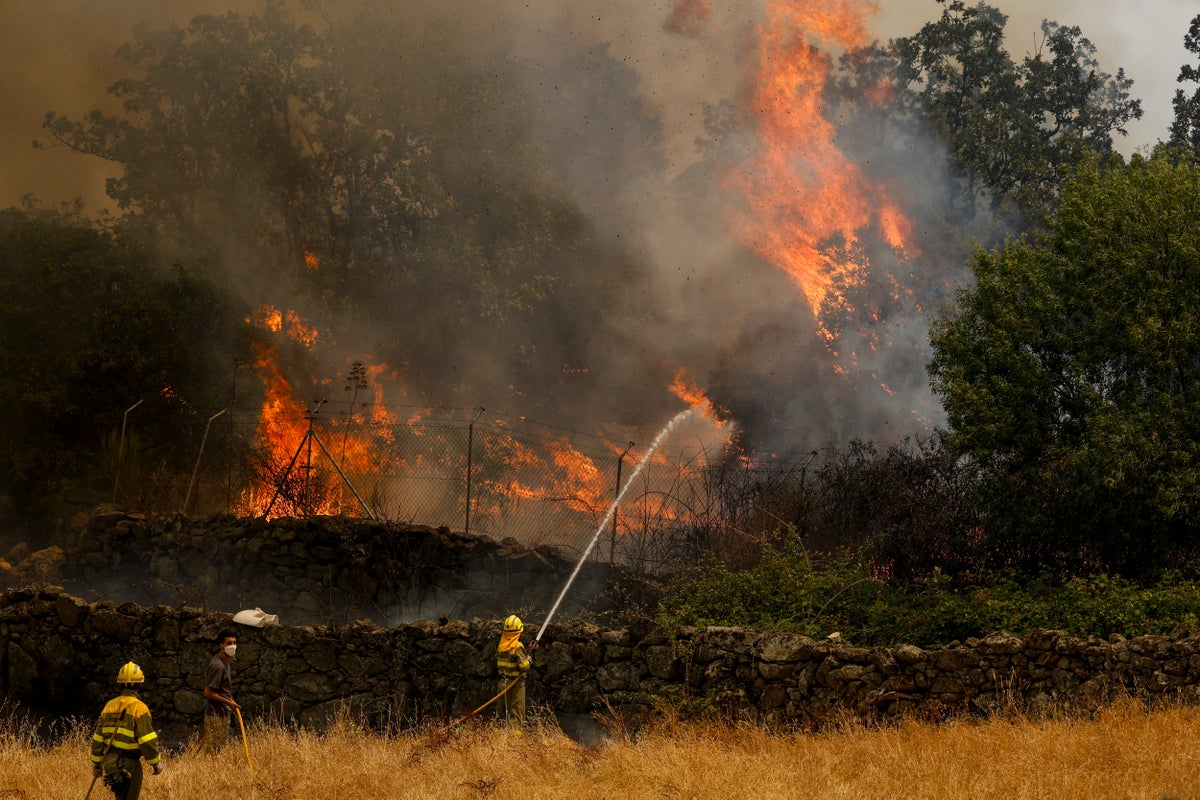
European summer tourism operates on a hyper-optimized logistical schedule where any disruption to regional infrastructure triggers cascading failures across aviation, hospitality, and municipal resource allocation. When acute environmental shocks such as extreme heatwaves and concurrent wildfire events materialize across Southern Europe, the fragile equilibrium between visitor influx and local carrying capacity shatters. Standard media coverage typically reduces these complex structural collapses to sensationalized evacuation headcounts, failing to examine the underlying systemic vulnerabilities that dictate how millions of travelers and local operators respond under crisis conditions.
The Structural Vulnerability of Mediterranean Hospitality Nodes
The geography of high-density tourism in France and Spain concentrates economic activity within specific coastal and rural corridors where environmental stress tests expose severe operational deficiencies. Destination assets—ranging from legacy hotel stock to remote campsites—are engineered for capacity maximization rather than resilience against climate anomalies. For an alternative perspective, consider: this related article.
Infrastructure Deficits in Legacy Zones
Traditional resort planning prioritizes proximity to environmental amenities like coastlines or forested valleys, which inherently places capital assets in high-risk zones.
- Access routes into these destinations frequently rely on single-lane or secondary roadways that lack redundancy during evacuation procedures.
- Power grids servicing rural hospitality hubs experience peak load stress from air conditioning demand simultaneously as high temperatures induce environmental strain, increasing the baseline probability of localized grid failure.
- Water supply networks in regions like the Mediterranean basin operate on tight seasonal margins, leaving little capacity for firefighting infrastructure support during prolonged dry spells.
The Information Asymmetry Gap
During a sudden environmental shift, the velocity of physical danger consistently outpaces the communication protocols of hospitality operators. Guests rely on centralized warning systems that often fail to account for hyper-local topography, wind shifts, or smoke dispersal patterns. Related insight on the subject has been published by National Geographic Travel.
- Frontline staff rarely possess specialized crisis management training, leading to decentralized, ad-hoc decision-making when municipal authorities issue warnings.
- Digital booking platforms and tour operators lack standardized emergency dispatch protocols, creating a lag between government hazard declarations and consumer notification.
The Cost Function of Mass Evacuations
Executing a rapid displacement of tens of thousands of individuals from complex terrain introduces severe operational friction. The economic and logistical cost function is a product of density, timing, and available transport vectors.
Total Evacuation Friction = (Displaced Population Volume * Terrain Complexity) / Available Egress Channels
When wildfires sweep through regions populated by summer travelers, the primary bottleneck is not the total volume of available vehicles, but the temporal compression of the evacuation window.
The Transport Bottleneck Mechanics
Tourists predominantly utilize private rental vehicles or rely on public transit networks that are calibrated for staggered arrivals and departures rather than simultaneous mass exodus.
- Road network saturation occurs rapidly when thousands of independent actors attempt to exit a converging geographic funnel simultaneously.
- Abandoned rental vehicles and minor traffic incidents can permanently block single-access evacuation corridors, forcing a transition to foot travel through hazardous terrain.
- Accommodation capacity in safe staging zones is finite; displacing thousands of people into adjacent towns creates secondary strain on municipal shelters and emergency services.
Systemic Failure Points Across the Value Chain
A crisis of this magnitude exposes the fault lines in the modern tourism distribution network. Each stakeholder group operates under distinct incentives that frequently conflict during an emergency response.
Tour Operators and Liability Margins
Large-scale travel conglomerates and aggregators optimize for asset-light business models. When an emergency forces mid-night property evacuations, these entities face immediate exposure regarding duty of care obligations.
- Rebooking mechanisms are tied to automated inventory systems that cannot process mass cancellations and emergency relocations in real-time.
- Financial liability for emergency lodging, alternate transport, and trip interruption insurance claims gets mired in jurisdictional disputes between local authorities, insurance providers, and international providers.
Municipal Government Strain
Local governments in high-risk tourism zones bear the immediate burden of life-safety operations despite relying on seasonal tax revenues that rarely scale to match necessary emergency capital expenditures.
- Emergency services face resource dilution when managing both resident populations and transient visitor demographics who lack familiarity with local geography and language.
- Communication channels between regional meteorological offices, municipal fire services, and hospitality operators operate on siloed legacy frameworks that delay coordinated response triggers.
Operational Redesign for Climate-Resilient Tourism
Mitigating future displacement events requires a fundamental shift from reactive crisis management to proactive risk mitigation across all levels of the tourism ecosystem. Stakeholders must transition from viewing environmental anomalies as black swan events to treating them as predictable operational parameters.
Dynamic Carrying Capacity and Real-Time Risk Modeling
Destinations must implement dynamic caps on visitor density during peak fire-risk windows, utilizing predictive meteorological modeling to restrict access to high-hazard zones before ignition events occur.
- Integration of live satellite telemetry with municipal reservation databases can automate occupancy reductions when heat indices and drought metrics breach critical thresholds.
- Mandatory hardening of hospitality infrastructure—including fire-resistant building materials, localized micro-grid power storage, and redundant water reservoirs—must become a regulatory prerequisite for operating in high-risk geographies.
Standardized Evacuation Protocols
The industry requires a unified emergency response framework that bypasses fragmented municipal communications to establish direct, automated safety directives to every traveler within a designated hazard perimeter.
- Geofenced mobile alerts issued directly through global roaming networks can supersede hotel-level communication delays.
- Pre-contracted emergency transit pools must be established by regional tourism boards to guarantee immediate bus and rail evacuation capacity independent of private vehicle availability.
Reallocate capital budgets away from post-crisis marketing recovery campaigns and redirect them toward automated, decentralized early-warning infrastructure integrated directly with regional transport management systems.