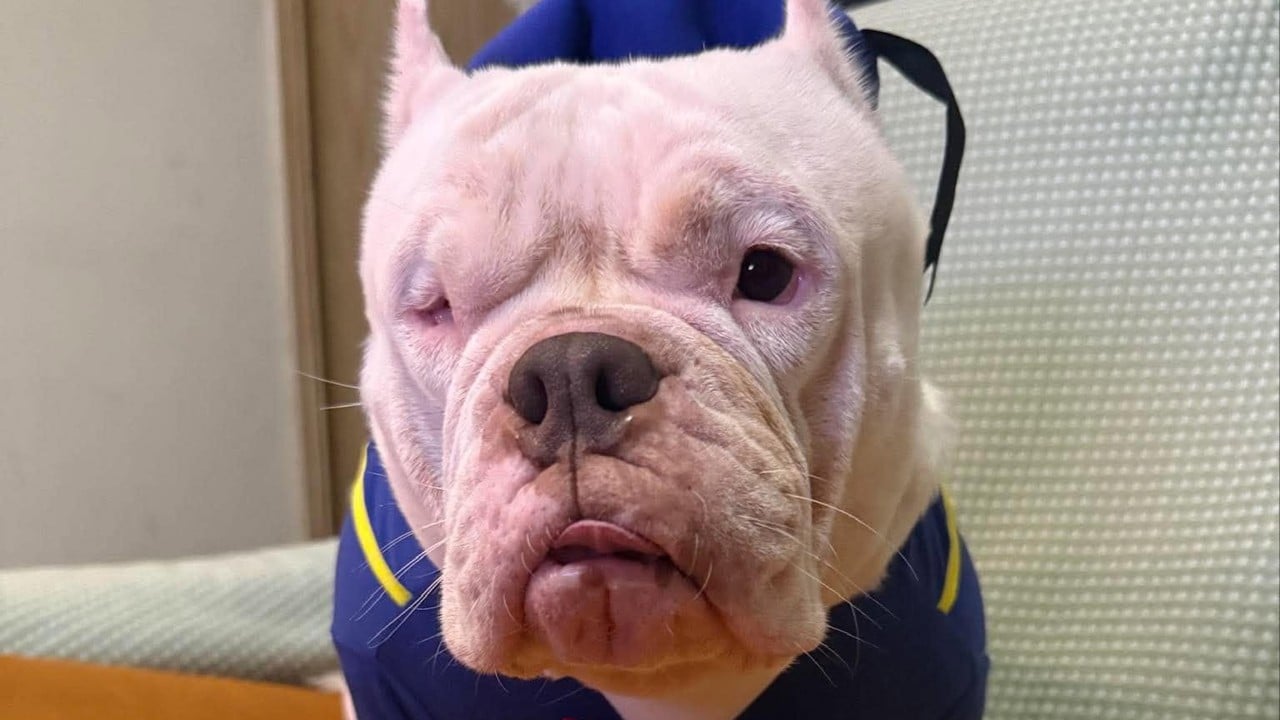
A routine medical procedure turned into a nightmare. An American Bully lost its life on the operating table, and the tragedy immediately dragged a messy web of municipal ordinances and breed-specific regulations into the spotlight.
Owners across the country are furious. They are asking hard questions about why standard veterinary care for certain dogs involves bureaucratic hoops, heavy-handed assumptions, and outdated legal frameworks.
You see, owning a bully breed means living in a constant state of defense. Every walk, every vet visit, and every policy change comes with a shadow. When things go wrong in a clinical setting, the fallout highlights a massive gap between public policy and reality.
Let's look at what actually happens when restrictive dog rules collide with emergency medical care.
The Reality of Breed Specific Legislation Inside Veterinary Clinics
Dog laws are a mess. Municipalities often lump American Bullies, Pit Bulls, and similar muscular breeds into restrictive categories based purely on physical appearance.
This creates immediate friction in medical environments. Vets and technicians sometimes approach these animals with unnecessary fear or follow rigid muzzle mandates that complicate anesthesia and recovery.
Honestly, it makes a high-stress environment even worse.
When an animal is already fighting for its life under a surgeon's scalpel, the last thing anyone needs is a cloud of administrative panic or regulatory red tape. But restrictive policies often dictate how clinics handle these dogs long before an IV line gets placed.
Breed labeling shapes perception. If a clinic operates under strict local ordinances that brand specific dogs as inherently dangerous, the staff's baseline anxiety shifts.
That shift changes surgical outcomes. Fear leads to rushed decisions, poor handling, and sometimes tragic mistakes.
What Most People Get Wrong About Bully Breed Healthcare
People think a dog is a dog. It is not.
Muscular, blocky-headed breeds have unique airway anatomies, distinct responses to specific sedatives, and thick musculature that makes monitoring vitals uniquely challenging.
Veterinarians who lack specific experience with bullies often miscalculate dosages or struggle with intubation.
- Airway Challenges: Bullies often present with brachycephalic traits. Their soft palates and narrow windpipes demand expert management during recovery.
- Anesthetic Sensitivity: Certain popular sedatives hit heavy-set, high-muscle dogs differently than lean breeds.
- The Stress Factor: High-anxiety clinic settings trigger adrenaline spikes that interfere with heart rates under anesthesia.
When owners question the system after a loss, they aren't just lashing out at a bad vet. They are pointing to a cumulative failure.
When local governments pass broad, punitive laws targeting specific physical traits, they stigmatize the breed. That stigma trickles down into professional spaces, affecting everything from insurance costs for clinics to the confidence of the surgical team.
How Outdated Rules Harm Animals and Owners
Good policy protects communities while allowing safe, humane care. Bad policy does the opposite.
When local laws treat American Bullies as administrative liabilities rather than family pets, everyone loses. Owners hesitate to seek early medical intervention for fear of bureaucratic reporting or unfair animal control seizures.
Delay kills pets. If you wait until a minor health issue becomes an emergency because you are worried about how a clinic or local authority will categorize your dog, the risk multiplies exponentially.
We need a massive shift in how municipalities write animal ordinances.
Stop legislating based on skull shape and muscle mass. Start focusing on individual animal behavior, responsible ownership, and proper veterinary standards.
When a dog dies on the table because the system surrounding its breed is broken by fear and ignorance, it is not just an isolated veterinary mishap. It is a symptom of a much larger cultural failure.
Advocate for your animals. Question the clinic protocols before you hand over the leash. Push your local representatives to scrap lazy, discriminatory breed rules and replace them with common-sense standards that keep all dogs safe, no matter what they look like.


