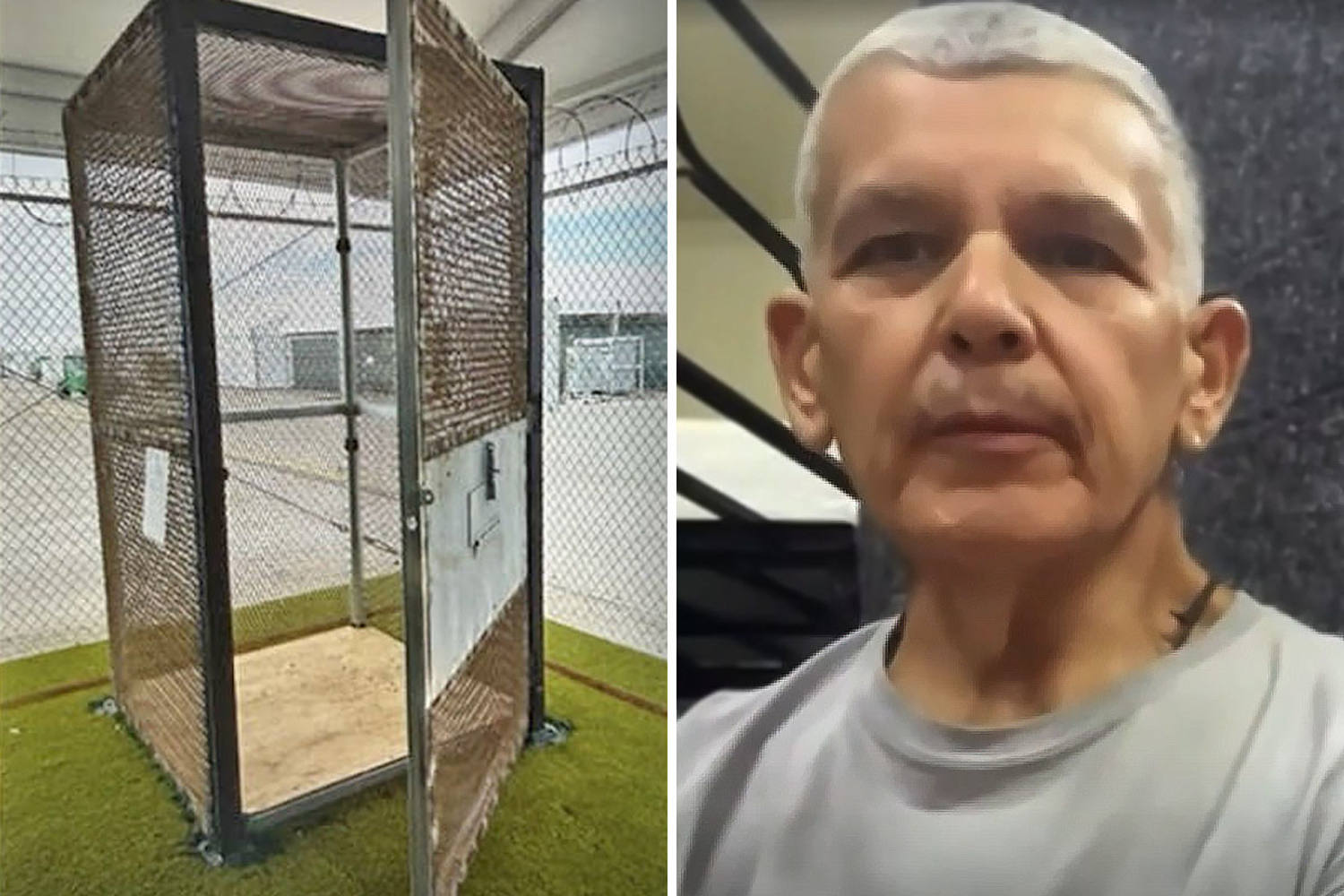
When stories break about immigration detainees held inside phone booth-sized cages for hours on end, the public shock lasts about twenty-four hours. Then the news cycle moves on. But the harrowing accounts emerging from facilities often dubbed "Alligator Alcatraz" deserve a much closer look. This isn't just about a single bad day in a harsh holding cell. It points to systemic failures in how human beings are processed, contained, and forgotten inside high-security immigration and penal infrastructure.
If you peel back the dramatic headlines, you find a routine built on administrative exhaustion, overcrowding, and structural indifference. Let's look at what is actually happening behind those reinforced fences and why these containment methods persist despite public outcry.
The Reality of Isolation Cells
Holding cells designed with minimal square footage aren't accidental architectural choices. They are built for maximum throughput and minimum interaction. When a detainee reports being shoved into a space barely large enough to turn around in for fifteen straight hours, they are describing an environment engineered for sensory deprivation and compliance.
Isolation changes a person quickly. Deprived of a bench to lie down on, proper ventilation, or reliable access to sanitation, detainees experience rapid physical and psychological degradation.
- The lack of horizontal space forces individuals to stand or crouch for extended periods.
- Constant fluorescent lighting destroys circadian rhythms within hours.
- Acoustic design in these tight modules often amplifies echoing noise, preventing any real rest.
Critics call it torture. Facility administrators call it temporary holding capacity management. The truth sits uncomfortably between bureaucratic rationalization and human rights abuses.
Why These Conditions Persist
You might wonder why oversight bodies don't shut these units down immediately. The answer comes down to funding mechanisms, contracting loopholes, and geographic isolation. Many of these detention centers operate in remote areas far from major media hubs or legal advocacy groups.
Private prison contractors manage a significant share of these beds. Their financial incentives reward high occupancy and low operational overhead. Providing spacious, humane holding areas costs money. Cramming more people into smaller footprints maximizes margins.
Accountability remains weak because reporting mechanisms for detainees are deliberately opaque. If you cannot easily place a phone call to an attorney or file a grievance without facing retaliation, your reality stays hidden. The phone booth cage isn't a glitch in the system. For budget-driven operators, it's a feature.
The Broader Impact on Legal Due Process
Confinement conditions do not exist in a vacuum. When someone spends fifteen hours cramped in an isolation box, their ability to participate meaningfully in their own legal defense evaporates. Sleep deprivation, muscle stiffness, and sheer panic do not make for sharp clients ready to navigate complex immigration hearings.
Lawyers report meeting with clients who are too exhausted to recall basic dates or recount their credible fear interviews accurately. This creates a vicious cycle. Detainees are ground down physically, making them appear disoriented or uncooperative to immigration judges, which then justifies keeping them locked away longer.
It breaks down the core premise of due process. You can't mount a defense from a phone booth.
What Needs to Change Right Now
Fixing this requires more than temporary congressional oversight hearings or brief media scandals. Real reform demands strict federal caps on solitary and cramped holding durations, mandatory independent inspections without advance notice, and heavy financial penalties for contractors who violate basic human standards.
Transparency is the ultimate disinfectant. Until facility doors are opened to unannounced independent monitors and recording devices are permitted in processing areas, stories of phone booth cages will keep surfacing. We shouldn't wait for the next whistleblower report to demand basic human dignity in detention systems.
Take a hard look at the contractors operating in your region, support legal aid funds fighting for detained individuals, and refuse to let these stories fade into the background noise of the daily news cycle.