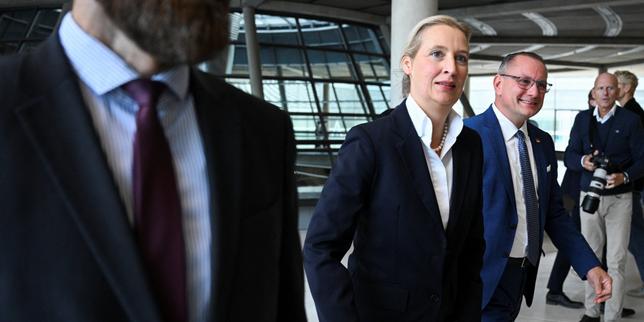
Alice Weidel walked into the European Parliament in Strasbourg in October 2026 selling a softer pitch than the hardline exit rhetoric that built her party. Instead of demanding an immediate German exit from the bloc or ditching the euro, the Alternative for Germany co-leader unveiled a New Deal for Europe built around subsidiarity, responsibility, and sovereignty. Read the text closely, though, and the supposed charm offensive looks less like a genuine compromise with Brussels and more like an attempt to hollow out the union from inside while keeping its economic perks.
Anyone who has watched Brussels for twenty years recognizes this routine. A national leader arrives in Strasbourg with glossy slides about national veto rights, opt-out mechanisms, and returning powers to capitals, hoping to sound pragmatic while keeping her core base fired up. On paper, Weidel’s pivot away from talking up an exit sounds like moderation. In practice, her blueprint would strip the European Parliament of direct elections by shifting delegates to national appointments, gut the Green Deal, dismantle Schengen border rules, and keep a referendum on the table if Brussels refuses to bend.
Why Weidel Rebranded Exit Talk Into Inside Reform
Political shifts rarely happen out of sudden affection for treaties. After finishing second in Germany’s 2025 federal election with roughly 20.8 percent of the vote and becoming leader of the Bundestag opposition under Chancellor Friedrich Merz, Weidel faces a different math than she did in the party’s founding years. Governing power—or even a credible shot at taking the chancellery—requires reassuring export-heavy German businesses and pragmatic voters who worry that a chaotic break with the single market or the currency would wreck their paychecks.
That economic calculation explains why Weidel called talk of leaving the euro a myth and framed her Strasbourg push around keeping Germany inside a reshaped union. A pure exit campaign scares shop-floor managers in Baden-Württemberg and manufacturers who rely on frictionless supply chains. A campaign promising stricter budget rules, opt-outs, and lower Brussels interference lets her claim fiscal discipline while still attacking European institutions.
Stripping direct elections from the European Parliament would not simply trim red tape. It would turn a directly accountable assembly into an appointed bargaining chamber dominated by national capitals.
Yet calling this a seduction of mainstream lawmakers misses who the speech was actually built for. Strasbourg has plenary sessions and press rooms, yes, but Weidel’s real audience sits in Berlin, eastern German state capitals, and allied nationalist parties across Europe.
The Institutional Squeeze Around Europe of Sovereign Nations
To understand why Weidel’s Strasbourg appearance carried extra urgency, look at what happened to her European vehicle earlier in 2026. In July 2026, the European Parliament voted 414 to 224 to move forward with a formal scrutiny procedure over whether the Europe of Sovereign Nations party—the far-right grouping where the AfD sits—complies with the bloc’s foundational values.
That was not a routine procedural squabble. For the first time, an EU-level political party faced a formal review that could jeopardize its official recognition and European funding.
| Strategic Element | Public Pitch in Strasbourg | Practical Catch in Brussels |
|---|---|---|
| EU Membership & Euro | Stay in the bloc and keep the euro rather than push an abrupt exit. | Demands sweeping treaty changes and opt-outs that mainstream groups reject. |
| Parliamentary Makeup | Replace direct EU elections with delegates named by national parliaments. | Requires major treaty shifts and weakens citizens' direct voice in EU lawmaking. |
| Borders & Green Rules | Roll back the Green Deal and allow exits or opt-outs from Schengen. | Collides with single-market standards and border-state security coordination. |
| Party Standing | Project statesmanlike seriousness ahead of German domestic battles. | Follows a July 2026 Parliament vote scrutinizing ESN over EU values and funding. |
A leader facing institutional pressure on her grouping’s legitimacy has every reason to trade bombast for legalistic vocabulary. Words like subsidiarity sound technical, almost boring, compared with slogans about tearing down walls. In Brussels, boredom is often a disguise for leverage.
Where the Counter-Argument Cuts Both Ways
Dismissing Weidel’s pitch as a total flop in Strasbourg is easy if you measure success by whether centrist MEPs applauded. They did not. Mainstream parties in the European Parliament have spent years drawing lines around the AfD and its allies, and a plan to slash Brussels’ authority is hardly going to win over federalists.
Still, there is a sharper counter-argument worth taking seriously. Even if Weidel fails to charm a single centrist lawmaker in the chamber, she does not need a majority in Strasbourg to shift the gravity of European politics.
Consider a hypothetical example of how Brussels bargaining works when national polling moves. Suppose a German chancellor is already struggling with sluggish growth, rising defense bills, and voter frustration over migration rules. Even if the chancellor rejects Weidel’s New Deal for Europe in public, ministers in Berlin still feel pressure to demand tougher border controls or slower green mandates in Council negotiations so they do not lose voters to the opposition.
- Domestic leverage matters more than chamber votes: In German politics, a proposal that looks radical in Strasbourg can still force mainstream rivals to harden their tone at home.
- Opt-outs are a familiar Trojan horse: Framing opt-outs and vetoes as flexible realism appeals to voters tired of one-size-fits-all rules, even when those mechanisms can paralyze joint action.
- Referendum threats keep pressure alive: Keeping a referendum as a fallback if reform talks stall lets Weidel claim she offered a moderate path first.
That nuance separates hard-nosed analysis from wishful thinking. A speech can fail to win institutional allies and still succeed as a staging post for a longer power play.
What Strasbourg Reveals About the Right's Next Phase
Watch what Weidel actually did with her foreign policy and economic line around the same autumn window. She argued for cheaper energy, pushed back against certain subsidies and foreign aid, and kept challenging Berlin’s approach on Russia and Ukraine while defending sovereign national interests.
Those pieces fit together into a coherent playbook. Instead of treating the European Union as an all-or-nothing enemy to quit overnight, Weidel treats it as a contested arena where sovereignty, national parliaments, and selective participation can be pushed further onto the agenda.
A hard truth for Brussels officials is that mocking her Strasbourg pitch as clumsy or doomed does not solve the underlying friction. Voters across Europe—including plenty who never vote for the AfD—regularly complain about distant rules, high energy costs, and friction over borders. When a populist leader wraps those grievances in the language of subsidiarity and budget discipline, she makes her movement harder for complacent incumbents to caricature.
At the same time, Weidel’s own contradictions remain glaring. You cannot credibly preach responsibility and sovereignty as a cure-all for German trade while proposing changes that would fracture common rules and invite retaliation from partners who hold Germany’s economic lifelines.
In Strasbourg, Alice Weidel did not win over the parliament she came to shrink. She laid down a marker for what comes if Brussels cannot prove its policies work for ordinary households without trampling national consent.