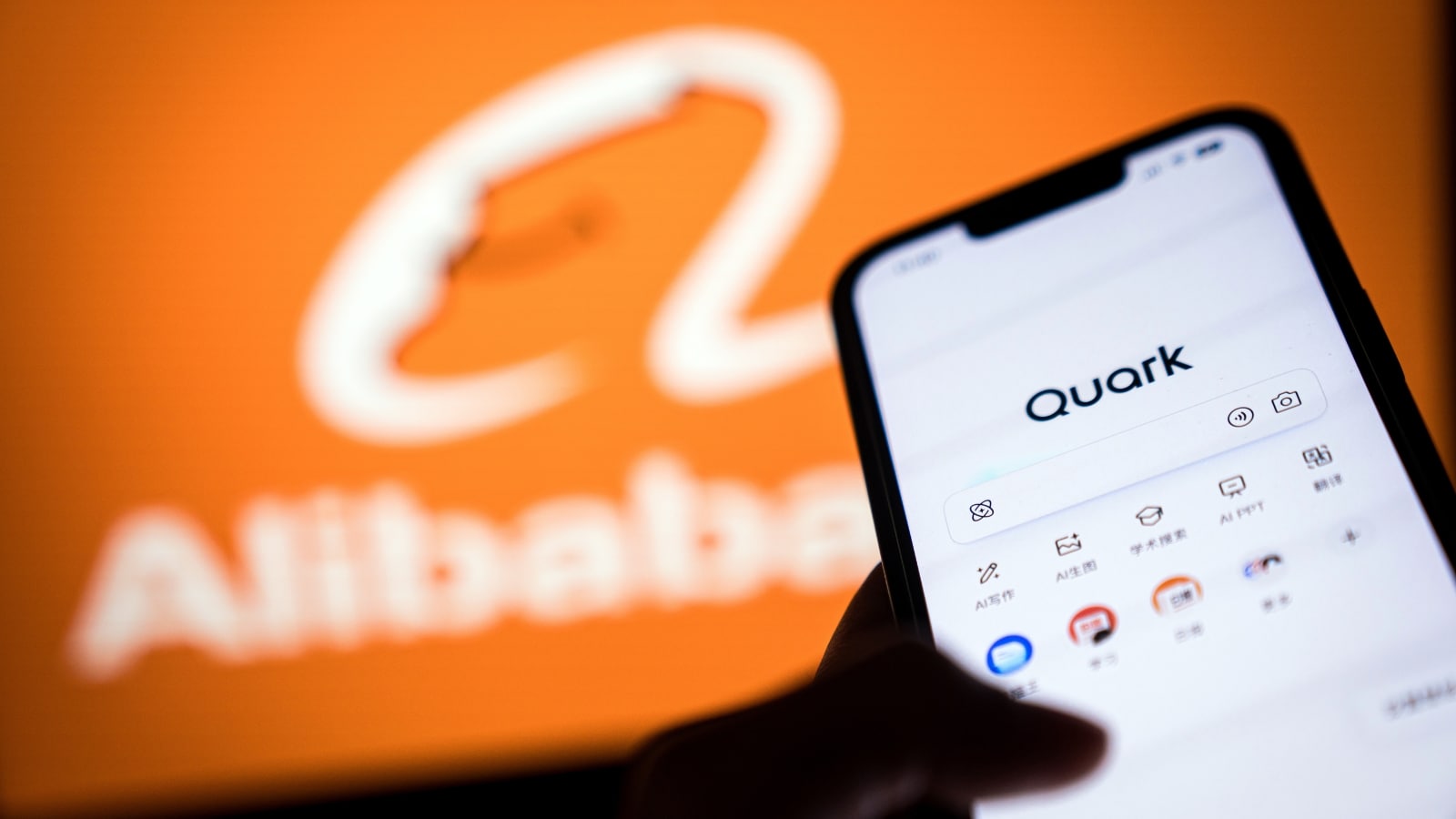
Three billion downloads changes the conversation. When Alibaba's Qwen family of open-weight artificial intelligence models crossed that threshold over a recent six-month window, it didn't just win a metric. It exposed a massive shift in where developers actually place their trust.
If you look at recent data from Hugging Face, the gap is staggering. Google logged 418 million downloads and Meta pulled in 227 million. Alibaba left both tech giants in the dust by open-sourcing more than 460 distinct variations of Qwen. Those models spawned over 300,000 community derivatives.
Silicon Valley spent years assuming its closed-ecosystem model or native western open-source projects would automatically retain the developer crown. That assumption is now dead.
Why Developers Abandoned Western Defaults
I talk to engineers weekly who are quietly ripping default American APIs out of their production environments. They aren't doing it to make a geopolitical statement. They are doing it because building custom software requires foundation layers that won't break the bank and won't lock them into rigid corporate terms.
Qwen became part of the default workflow for anyone trying to fine-tune local models. When you give creators 460+ open options that perform at elite tiers without requiring a massive compute budget, adoption skyrockets.
Meta's Llama series used to own this mindshare. But open-weight momentum shifted eastward as Chinese labs like Alibaba, DeepSeek, and Moonshot optimized for cost, accessibility, and high performance. Export controls on high-end chips haven't slowed down this engineering pipeline. Constraints forced efficiency, and that efficiency turned into a superior developer experience.
The Reality of Open-Weight Dominance
Let's look at what these numbers actually mean on the ground.
- Customization: Closed systems from OpenAI or Anthropic give you an API endpoint. Qwen gives you the weights. You own the code, you host it locally, and you modify it down to the metal.
- Ecosystem Velocity: Over 300,000 derivative models mean the community is iterating faster than any single corporate lab ever could.
- Cost Efficiency: Running fine-tuned open models locally slashes cloud inference bills for mid-sized enterprises.
Most tech commentary misses the underlying behavior driving these downloads. Developers don't care about marketing hype. They care about documentation, licensing freedom, and whether a model hallucinates less than the last one they tested. Alibaba nailed those execution details.
What This Means for the Global AI Race
The narrative that American firms dictate the pace of foundational AI is fracturing. When a single family of models outpaces Google and Meta combined by orders of magnitude, the center of gravity moves.
Enterprise tech teams need to rethink their vendor lock-in strategies. Relying exclusively on proprietary US models creates a single point of failure in pricing and availability. Integrating multi-model workflows that include high-performing open-weight options like Qwen provides real insurance against sudden API cost hikes or policy shifts.
Check your current stack. If you're paying top dollar for closed frontier endpoints on tasks that a fine-tuned open model can handle locally for pennies, you're burning margin for no reason. Grab a Qwen variant from Hugging Face, spin it up on your own infrastructure, and test it against your current production baseline this week.