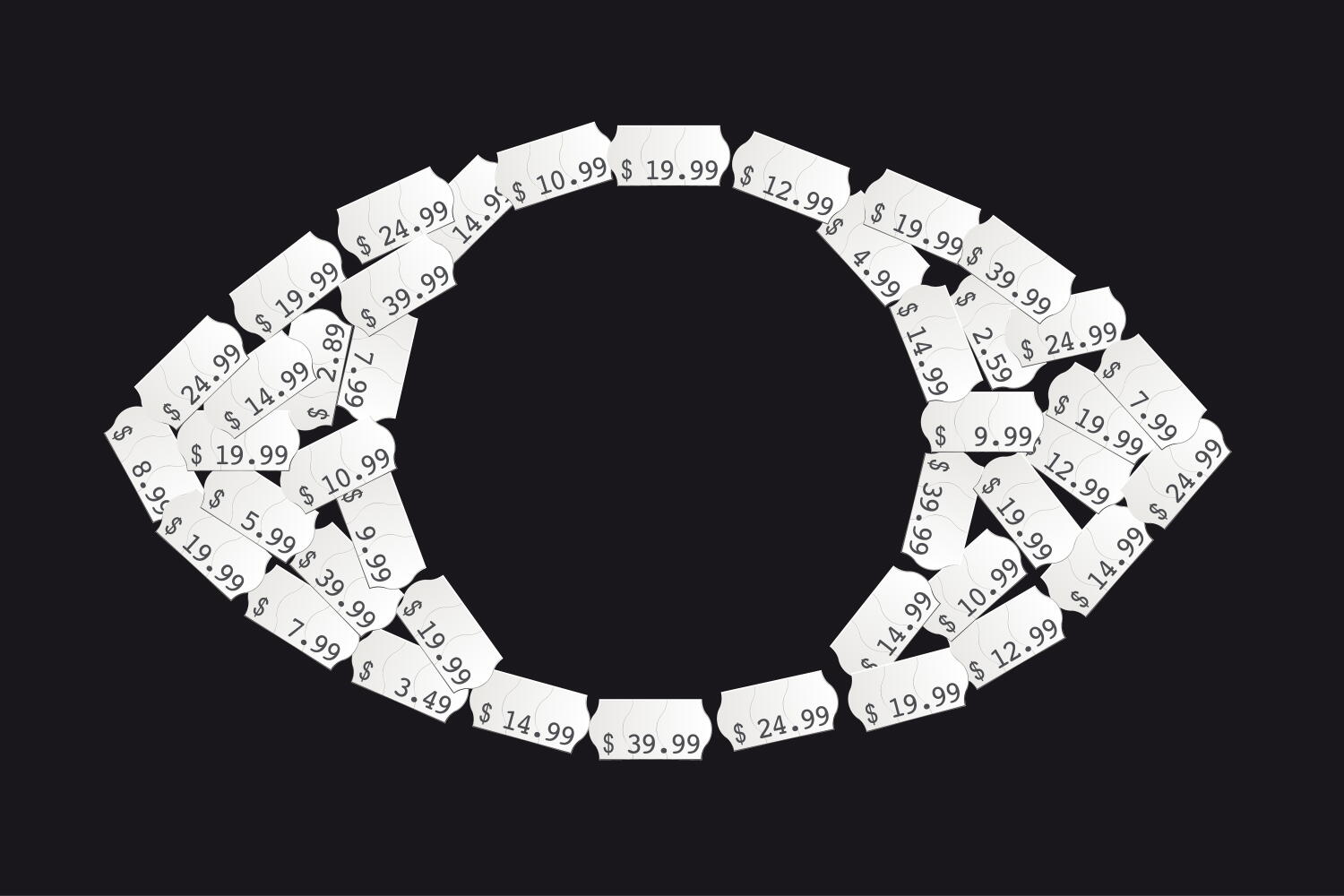
You are paying more for everyday items simply because your phone battery is dying, your browser history reveals a frantic search, or your zip code suggests you can afford the markup. This isn't a glitch. It's dynamic pricing, and retailers use it to extract every last cent from your bank account without your consent.
Surveillance pricing is the quiet evolution of traditional supply and demand. Companies aren't just selling shoes, groceries, or flights anymore. They are selling to you specifically, based on an invisible dossier of your financial habits, device choices, and behavioral patterns. Lawmakers are finally noticing, but the regulatory wheels grind painfully slow while algorithms move at the speed of light.
Let's look at how this machine actually operates.
The Anatomy of Personal Extortion
Stores used to display a price tag on a shelf. Everyone paid the same amount for the gallon of milk or the airline seat. That world is gone. Today, real-time pricing algorithms harvest vast oceans of consumer data to calculate your personal pain threshold.
When you browse an online store, scripts track your mouse movements, the device you are using, your operating system, and your location down to the neighborhood block. Are you shopping for a last-minute flight from an affluent suburb using a high-end laptop? The system assumes urgency and deep pockets. It quietly bumps the fare by fifty dollars.
Ride-share apps do this constantly. If you request a car from a transit desert during a rainstorm, the price spikes because you lack immediate alternatives. Grocery chains are beginning to test digital shelf tags that change prices on the fly based on inventory levels, time of day, and local demand surges.
This practice turns capitalism into a rigged carnival game. You can no longer trust that you got a fair deal. You only know you paid what the algorithm decided you were desperate enough to accept.
Why Surveillance Pricing Is Legal Right Now
Consumers assume this violates basic consumer protection laws, but it usually doesn't. Price discrimination has existed for centuries. Movie theaters charge seniors less. Hotels charge more on weekends. Airlines run promotional discounts.
The legal loophole widens when pricing shifts from demographics to hyper-personalized data profiling. Companies argue they are simply optimizing inventory. They claim personalization benefits consumers by offering targeted discounts.
That defense falls apart when you realize the personalization rarely works in your favor. Algorithms are not designed to find bargains for the struggling shopper. They are engineered to maximize corporate extraction. They identify your vulnerabilities—your lack of time, your brand loyalty, your geographic isolation—and monetize them.
Federal agencies like the Federal Trade Commission have started launching inquiries into surveillance pricing. Lawmakers have introduced bills aimed at cracking down on the opaque data brokers who feed this ecosystem. Yet, passing federal privacy legislation in the United States remains an uphill battle against massive lobbying budgets.
How to Fight Back Against the Algorithm
You cannot stop companies from collecting your data entirely, but you can throw sand in the gears of their pricing engines. Smart shoppers now use specific tactics to blindside the trackers.
Clear your cookies or use private browsing windows religiously. Better yet, switch to privacy-focused browsers that block cross-site trackers by default. When a retailer cannot build a persistent profile of your browsing history, they struggle to pin down your specific spending tier.
Shop across different devices. If you spot a steep price on your desktop, check the same item on a budget smartphone or a secondary browser. You might find a completely different baseline price.
Use price-tracking extensions that reveal historical cost trends. These tools strip away the false urgency manufactured by dynamic pricing algorithms. If a price tracker shows an item routinely drops by thirty percent every Tuesday, you wait until Tuesday.
Support local physical stores where standard shelf pricing still holds firm. Sometimes buying from a brick-and-mortar merchant shields you from the invisible algorithmic tax levied in digital storefronts.
Stop accepting that every digital interaction must be monetized against you. Push for stronger data privacy laws in your state, support politicians who target predatory surveillance pricing, and refuse to let algorithms dictate the true value of your hard-earned money.