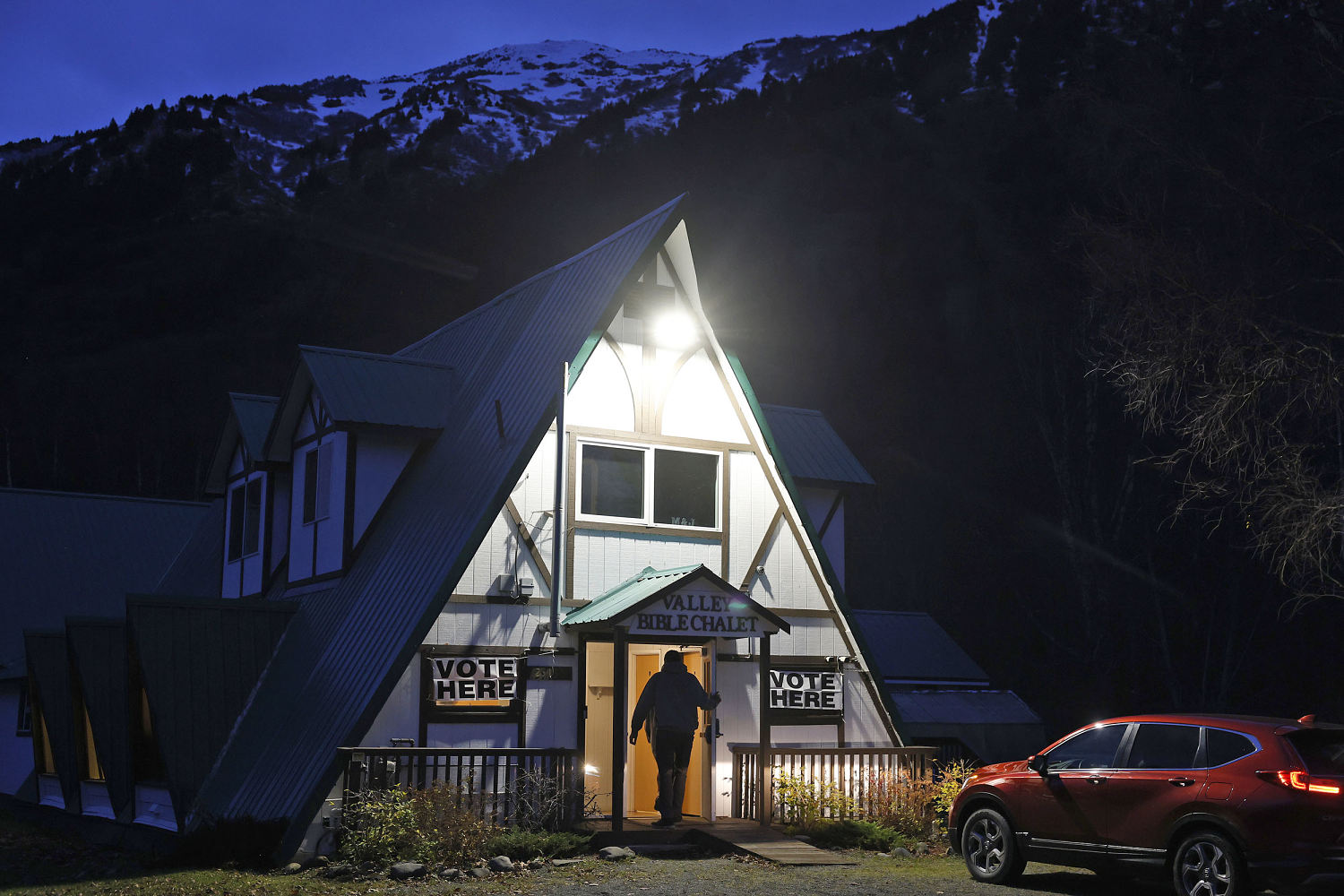
Twice in two years, political operatives poured time and money into killing Alaska's election system. Twice, voters told them no.
In November 2026, Alaskans rejected a ballot measure that would have dismantled their open primaries, campaign finance transparency rules, and ranked choice voting. Not by a hair this time. Voters defeated the repeal effort by roughly 54% to 46%—about 148,005 votes to 127,038. That's a massive shift from 2024, when a nearly identical repeal attempt failed by just 743 votes.
When voters first approved the reform package in 2020, it passed by under 4,000 votes (50.6% to 49.4%). Back then, skeptics claimed Alaskans didn't realize what they were signing up for. Now they've lived with it across three full election cycles—2022, 2024, and 2026. Instead of buyer's remorse, support grew. The "No" vote on repeal outperformed every single statewide candidate on the 2026 ballot.
What Was Actually on the Ballot in 2026
Most national headlines reduce Alaska's system to "ranked choice voting," which misses two-thirds of what voters were actually defending.
The 2020 reform package—and the 2026 repeal effort—bundled three distinct rules together:
- Nonpartisan top-four primaries. Every candidate runs on a single primary ballot regardless of party, and the top four vote-getters advance to November.
- Ranked choice general elections. Voters rank those four finalists in order of preference. If nobody clears 50% of first-choice votes, the last-place candidate drops off and their voters' second choices get redistributed until someone wins a true majority.
- Anti-dark money disclosures. Any group or donor spending more than $2,000 to influence an Alaska race has to disclose where the money came from.
Bundling dark-money transparency with ranked choice voting gave defenders a huge structural advantage. Plenty of conservative and independent Alaskans who feel lukewarm about ranking candidates hate secretive outside spending even more. By trying to wipe out the entire 2020 law in one stroke, repeal organizers forced voters to choose between keeping ranked ballots or opening the floodgates to undisclosed campaign cash.
The Math Behind Alaska's Independent Majority
You can't understand Alaska politics through a standard red-state/blue-state lens. It breaks immediately.
Roughly 63% of registered voters in Alaska aren't affiliated with either major party. They're registered as undeclared or nonpartisan. Under the old closed primary rules, political parties acted as gatekeepers, letting a small slice of partisan voters decide who even made it to the general election. Nearly two-thirds of the electorate got stuck picking between two pre-selected nominees in November.
Top-four primaries flipped that power dynamic overnight. Suddenly, an independent in Anchorage or a nonpartisan fisherman in Ketchikan had the exact same primary ballot as a lifelong party activist.
When someone tells you ranked choice voting is "too complicated" for regular people, look at the actual data from the state. According to a 2024 survey cited by election reform group FairVote, 84% of Alaska voters reported that ranked choice voting is simple. People know how to rank their top three choices at a coffee shop or pick backup options on a work schedule. Ranking four candidates on a piece of paper isn't rocket science.
Why Party Leaders Fought So Hard to Kill It
If voters find the system simple and like having more choices, why did repeal backers try twice in two years to scrap it?
Control. Pure and simple.
Under traditional partisan primaries, candidates win by appealing to the most ideological 15% to 20% of their own party base. Compromise gets you primaried. Working across the aisle gets you labeled a traitor.
Alaska's top-four system ruined that playbook. Because general election winners need broad coalition support—often relying on second-choice votes from moderates and independents—extremism became a liability.
Look at what happened in Juneau after the system took effect. Following the 2022, 2024, and 2026 elections, bipartisan majority coalitions formed in the Alaska State Legislature, bringing together Republicans, Democrats, and independents to govern. For national party strategists and ideological hardliners, a self-governing bipartisan coalition is a nightmare. You can't whip votes from Washington, D.C., when lawmakers owe their seats to cross-party coalitions back home.
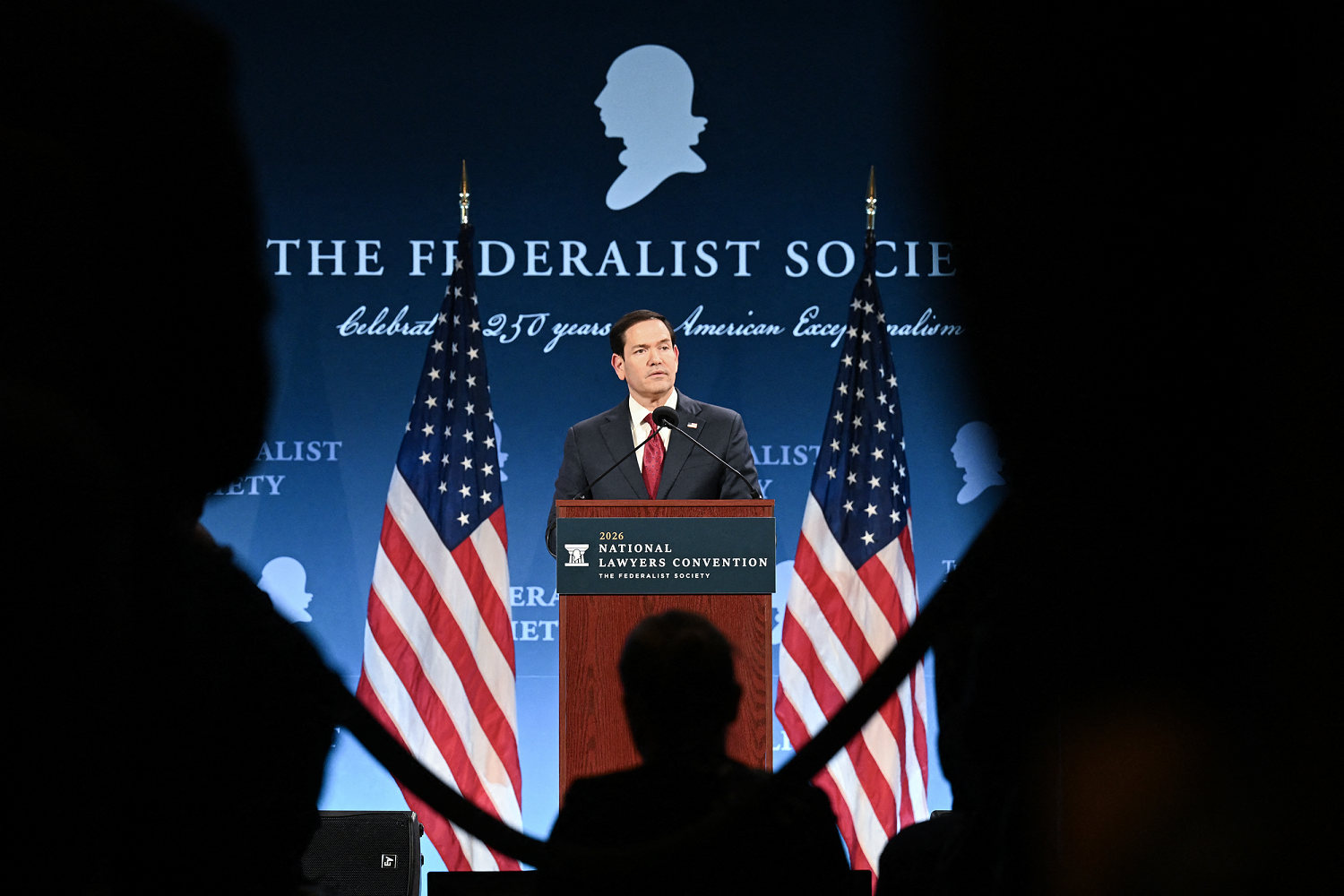
That's why national figures—including Donald Trump and major donors like Elon Musk—backed efforts to overturn Alaska's system. It's also why local party committees sometimes pressured fourth-place primary finishers to drop out before November, trying to recreate a traditional two-candidate race by clearing the field. Even with all that outside pressure, voters didn't budge.
Real-World Friction and Legitimate Criticisms
Being honest about ranked choice voting means admitting it isn't magic. It has real quirks that frustrate voters, and pretending otherwise only hurts credibility.
First, results take longer. Because Alaska is geographically massive—with remote villages accessible only by bush plane—mail-in and absentee ballots take up to two weeks to arrive and get counted. Under ranked choice voting, election officials can't run the instant-runoff tabulation rounds until virtually all ballots are in. If a race is close, Alaskans wait weeks to know who won. For people used to cable news calling races at 9:00 PM on Tuesday night, that wait feels endless.
Second, candidate gamesmanship still happens. In the 2026 U.S. Senate race, two candidates sharing the exact same name ended up on the four-person general election ballot, creating obvious confusion for voters trying to rank their choices. Critics pointed to that race as proof that a top-four ballot can invite strategic clutter.
Third, some rural communities genuinely dislike the system. While statewide voters rejected the 2026 repeal by nearly eight points, towns like Wrangell voted overwhelmingly to ditch ranked choice voting. Voters in smaller, more homogenous communities often feel that single-choice voting gives them a clearer, more direct voice without second-round redistributions altering early leads.
What Other States Are Missing About Alaska's Success
Here's the part most election reformers outside Alaska get completely wrong.
In 2024, voters in seven states—including Colorado, Idaho, Nevada, and Oregon—rejected ranked choice voting ballot measures. Many activists assumed ranked choice voting had hit a wall nationwide. Yet in 2026, Alaska strengthened its commitment to the system, while cities like Longmont, Colorado, and Irvine, California, also passed local ranked choice measures.
Why did Alaska succeed where statewide campaigns in Colorado and Nevada failed?
Three practical differences explain the gap:
- Familiarity beats theory. In 2024, Colorado and Oregon voters were asked to adopt an abstract concept they'd never used. By 2026, Alaskans had already voted with ranked ballots in congressional, legislative, gubernatorial, and presidential races. Experience killed the fear-mongering.
- Voter education started early. Alaska didn't just pass a law and hope people figured it out. Election administrators, civic groups, and local media spent months before the 2022 rollout running mock ranked elections—asking Alaskans to rank their favorite salmon species or winter activities—so the ballot layout felt familiar before a single real vote was cast.
- Top-four primaries fixed the root problem. Ranked choice voting alone doesn't fix broken party primaries. Pairing ranked general elections with an open top-four primary gave independent voters a reason to care on day one.
As Sam Oliker-Friedland, executive director of the Institute for Responsive Government, noted after the 2024 ballot defeats, ranked choice voting isn't a one-size-fits-all cure, and poorly designed initiatives without administrator support deserve to fail. Alaska worked because the design matched the state's fiercely independent political culture.
How to Evaluate Election Reform Where You Live
If you're watching Alaska and wondering whether open primaries or ranked choice voting make sense for your own state or city, skip the partisan talking points and check three concrete metrics:
- Look at your state's independent voter share. Check your Secretary of State's voter registration data. If 35% or more of voters are registered as independent or unaffiliated—and your state still uses closed taxpayer-funded primaries—your current system is locking out a massive share of taxpayers before November even arrives.
- Check how many general elections are actually competitive. Look at your last two state legislative cycles. If more than half of your district races were decided in low-turnout party primaries because the general election district leans heavily one way, a top-four open primary will do far more to force accountability than ranked choice voting alone.
- Inspect the ballot measure's implementation plan. Before backing any local or state reform initiative, read the actual statutory text on your state election office website. Make sure it funds voter education, sets clear rules for mail-in ballot deadlines, and doesn't leave county clerks scrambling without software updates.
Alaskans didn't protect ranked choice voting in 2026 because they fell in love with election theory. They kept it because once you give voters real choices and force politicians to earn a true majority, nobody wants to hand that power back to party bosses.