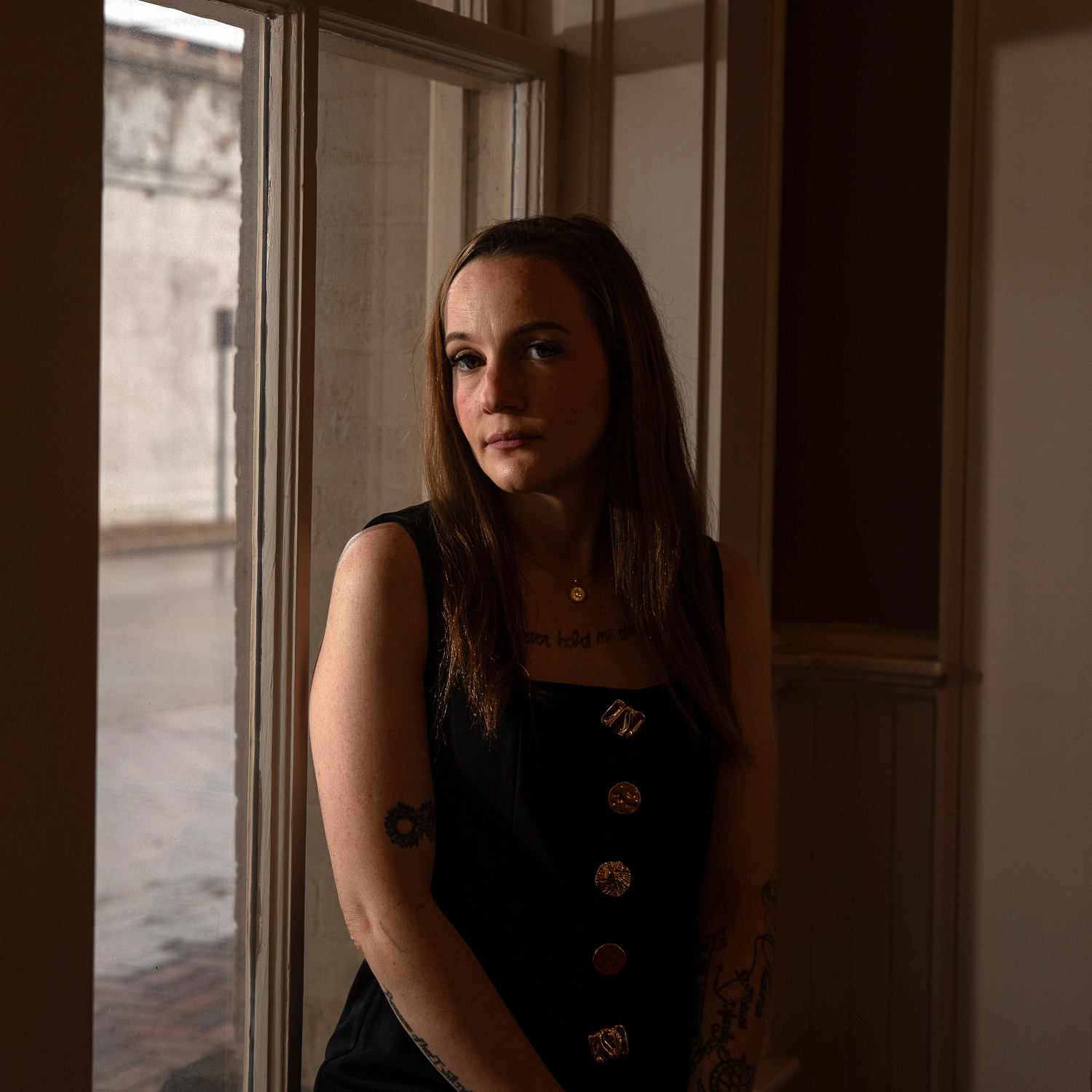
An Alabama woman says she was forced to labor on a cold jail floor while staff ignored her screams. This isn't a scene from a gritty historical drama. It's the central claim of a federal lawsuit filed against the Montgomery County Jail. Ashley Caswell's experience represents a terrifying breakdown of basic human rights and medical standards in the American carceral system. When a pregnant woman enters a correctional facility, the state becomes legally responsible for her life and the life of her unborn child. In this case, that responsibility was allegedly met with indifference.
The details are visceral. You don't often hear about inmates having to act as amateur midwives because the people paid to provide security and care refused to step in. Yet, that's exactly what the legal filing describes. Caswell claims she spent hours in agony, begging for help that never came from the guards or medical contractors.
The Night a Jail Cell Became a Labor Ward
The lawsuit names Montgomery County, the sheriff, and several jail employees. It also targets the private medical provider contracted to handle inmate health. According to the complaint, Caswell’s water broke while she was in custody. She told the staff. She showed them the physical evidence. Instead of an ambulance ride to a hospital, she got a front-row seat to systemic neglect.
Staff allegedly told her to "just wait" or suggested she was faking. This kind of medical gaslighting happens way too often in jails. There's a persistent, dangerous bias that assumes inmates are always "malingering" or trying to score a trip to the hospital to escape their cells. In this instance, that bias could have been fatal.
While Caswell lay on the floor, it wasn't the trained medical professionals or the armed guards who stepped up. It was her fellow inmates. These women, many of whom have their own struggles and legal battles, became the only support system Caswell had. They were the ones who stayed with her, tried to comfort her, and eventually helped her through the actual delivery. Imagine the sheer terror of giving birth in a space designed for punishment, surrounded by concrete and steel, without a single person in authority willing to lift a finger.
Why Alabama Jails Keep Falling Short on Maternal Health
Alabama has a track record that should make anyone uncomfortable. This isn't an isolated incident. The state has some of the highest maternal mortality rates in the country, and those statistics look even bleaker when you move behind bars.
The issue usually boils down to a lack of clear, enforceable protocols. While organizations like the American College of Obstetricians and Gynecologists (ACOG) have clear guidelines for pregnant prisoners, jails often treat these as "suggestions" rather than requirements.
- Private medical contracts often incentivize cutting costs over providing quality care.
- Staff training for obstetric emergencies is frequently non-existent in county facilities.
- Security protocols often override medical necessity, leading to delays in transport.
When a jail outsources its medical care to a private corporation, the goal is often the bottom line. Every hospital trip costs money. Every specialist consultation eats into the profit margin. This creates a conflict of interest where the person in labor is seen as a line item rather than a patient.
The Legal Standard for Deliberate Indifference
To win a case like this, Caswell's legal team has to prove "deliberate indifference" to a serious medical need. This is a high bar set by the Supreme Court. It's not enough to show that the jail staff was incompetent or made a mistake. You have to prove they knew there was a serious risk and chose to ignore it anyway.
Labor is a pretty obvious medical need. It's not subtle. If a woman is screaming in pain and showing physical signs of childbirth, claiming "we didn't know" is a tough sell. This lawsuit argues that the staff's refusal to act was a direct violation of the Eighth Amendment, which protects against cruel and unusual punishment.
The trauma of this event doesn't end with the birth. Caswell claims the lack of care led to physical complications for both her and her baby. Beyond the physical, the psychological impact of being abandoned in your most vulnerable moment is something that can last a lifetime.
The Myth of Adequate Correctional Healthcare
We often hear that inmates get "free healthcare," as if they're receiving some kind of perk. The reality is that jail healthcare is often the bare minimum required to keep someone from dying on the floor—and sometimes, as Caswell's case suggests, it doesn't even meet that low standard.
Most county jails aren't equipped for anything more than distributing pills and treating minor cuts. When a pregnancy is involved, the complexity spikes. High-risk pregnancies are common in jail populations due to previous lack of care, substance use issues, or chronic stress. Yet, the facilities are often less prepared than a basic first-aid station.
What Needs to Change in the Montgomery County System
This lawsuit is a wake-up call, but we've had those before. Real change requires more than just a settlement check. It requires a fundamental shift in how we view the rights of the incarcerated.
First, there needs to be a mandatory, immediate transport policy for any pregnant inmate reporting labor symptoms. No "waiting to see" and no evaluations by guards who have zero medical training. If she says she's in labor, she goes to the hospital. Period.
Second, the state needs better oversight of private medical providers. These companies shouldn't be allowed to operate in a black box. Their outcomes, their staffing levels, and their refusal-of-care rates should be public record. If they can't provide a standard of care that matches what a person would get on the outside, they shouldn't have the contract.
Finally, we have to address the culture of the staff. When guards feel empowered to ignore a woman in labor, it points to a culture of dehumanization. Training helps, but accountability is what changes behavior. If staff members face real consequences for this kind of neglect—including losing their jobs or facing criminal charges—they might think twice before telling a laboring woman to "just wait."
Taking Action for Inmate Rights
If you want to see these conditions change, it starts with local advocacy. County jails are funded by your tax dollars and overseen by officials you elect.
- Demand transparency: Contact your county commissioners and ask for the specific medical protocols regarding pregnant inmates.
- Support legal advocacy groups: Organizations like the Southern Poverty Law Center or the ACLU often lead the charge in these civil rights cases.
- Watch the elections: In Alabama, Sheriffs are elected. Their policies on jail conditions should be a primary concern during any election cycle.
The Caswell case is a stain on the Alabama justice system. It’s a reminder that when we strip away someone’s liberty, we take on the absolute duty to preserve their dignity and their health. We failed in Montgomery. We can't afford to keep failing.


