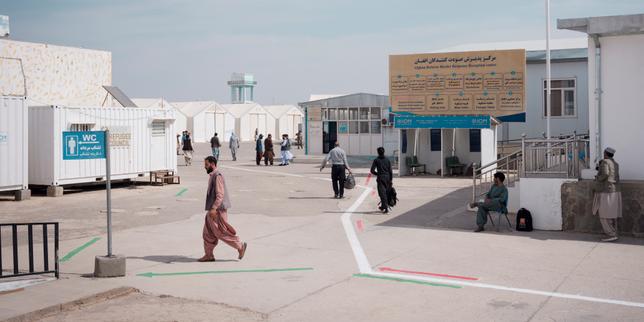
Crossing the border back into Afghanistan doesn't feel like coming home when you have nothing left to eat. Hundreds of thousands of Afghan migrants expelled from Iran are arriving at crossing points like Islam Qala with worn-out bags, zero savings, and no clear path to survive the week.
It's a quiet catastrophe. Most global headlines moved on from Kabul years ago, yet the human cost at the western border keeps climbing every single day.
People often assume returning refugees simply pick up where they left off. That's a massive misconception. Many of these families lived in Iran for decades, while others fled the 2021 Taliban takeover only to find themselves trapped in an increasingly hostile environment across the border. When Iranian authorities accelerated mass deportations of undocumented Afghans, they didn't just push people across a line on a map. They dropped vulnerable families straight into one of the world's worst economic and humanitarian crises.
The Reality Waiting At Islam Qala
The Islam Qala border crossing in Herat province has become the primary funnel for this forced migration. According to data tracked by the International Organization for Migration (IOM) and the United Nations High Commissioner for Refugees (UNHCR), hundreds of thousands of Afghans have crossed back from Iran over recent years, with daily arrivals frequently spiking into the thousands during crackdown waves.
You see the exhaustion immediately. Families step off buses after grueling journeys, often stripped of whatever meager wages they hadn't already spent on transit or bribes.
Here is what greets them on the Afghan side:
- Severe food insecurity that leaves families skipping meals just to stretch a few bags of flour across the month.
- A collapsed job market where day laborers fight over scarce construction or agricultural gigs paying pennies.
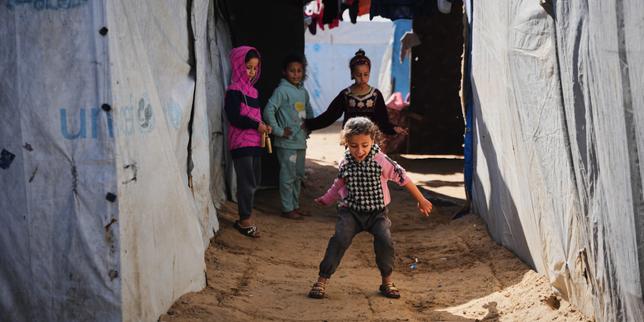
- Zero housing infrastructure, forcing returnees into makeshift tents, overcrowded relatives' homes, or unfinished concrete shells.
- Limited humanitarian cash assistance, as international aid agencies struggle with massive funding shortfalls.
When someone tells reporters they go to sleep with an empty stomach, it isn't hyperbole. The World Food Programme (WFP) has repeatedly warned that millions across Afghanistan face acute hunger, and newly arrived deportees sit at the very bottom of the economic ladder. Without local networks or land, they can't fall back on subsistence farming. They rely entirely on cash in an economy starved of liquidity.
Why Iran Pushed Millions Toward The Exit
To understand why this wave hit so hard, you have to look at Tehran's shifting domestic pressures. Iran hosted millions of Afghans for over forty years, offering informal labor opportunities in construction, agriculture, and manufacturing. Even without formal legal status, many workers could earn enough to wire money back home.
That tolerance evaporated. High inflation, Western sanctions, and domestic unemployment turned Afghan migrants into convenient political scapegoats. Iranian authorities tightened residency rules, barred undocumented Afghans from working or renting homes in numerous provinces, and launched sweeping police roundups.
Landlords evicted families overnight. Employers withheld final paychecks knowing undocumented workers had zero legal recourse. If a worker complained, they risked immediate arrest and deportation.
Honestly, the speed of the expulsions caught even seasoned aid workers off guard. People who left Afghanistan with a backpack ended up deported back with even less, losing years of accumulated household goods and unpaid wages in a matter of hours.
What Most Coverage Misses About Returnee Poverty
Mainstream reports usually focus on the dramatic border crossings, then stop there. The harder story begins three weeks later when the initial emergency transit money runs out.
In my experience analyzing displacement crises, the second phase of return is always deadlier than the border transit itself. During the first few days, agencies like the IOM provide basic triage—a hot meal, temporary shelter, maybe a small transportation grant to reach a home province. Once that family reaches Herat, Kandahar, or Kabul, they disappear into urban poverty.
The Collapse Of Remittances
For years, Afghan households survived on a simple economic equation: send one or two young men to Iran to work, then use their remittances to feed ten people back home. Mass deportations broke that lifeline overnight. Not only did the money stop flowing in, but the breadwinners themselves returned as extra mouths to feed.
The Educational And Gender Trap
Families returning with daughters face an immediate shock. In Iran, even undocumented Afghan children frequently accessed informal schools or NGO-run classrooms. Back in Afghanistan, girls remain barred from secondary education and universities under Taliban decrees.
Women who worked as seamstresses, cleaners, or domestic helpers in Iranian cities suddenly find themselves locked out of public life and formal employment. For widows or female-headed households deported without a male guardian, surviving isn't just difficult. It's nearly impossible.
Debt That Follows You Across Borders
Many migrants borrowed thousands of dollars from local brokers and extended family to pay smugglers for the initial trip into Iran. Getting deported doesn't erase that ledger. Returnees walk back into their villages owing money they can never repay, creating intense social pressure and forcing families into desperate coping mechanisms like selling household assets or pulling young boys out of school to scavenge scrap metal.
Why Aid Agencies Are Running On Empty
You might wonder why international organizations aren't bridging the gap. The answer comes down to donor fatigue and competing global emergencies.
The UN's humanitarian response plans for Afghanistan have remained chronically underfunded. When budgets shrink, agencies make brutal triage decisions. The WFP has been forced to cut millions of people from food assistance lists simply because the money isn't there.
Aid workers on the ground face an impossible math problem:
- Rising caseloads driven by simultaneous deportations from both Iran and Pakistan.
- Shrinking international grants as Western donors divert funds toward conflicts in Ukraine and the Middle East.
- Operational restrictions imposed by de facto authorities that complicate how female aid workers reach vulnerable women and children.
Cash-for-work programs and winterization grants help, sure, but they barely scratch the surface when hundreds of thousands of destitute people arrive within a twelve-month window.
How To Actually Support Displaced Afghan Families
Reading about families sleeping hungry feels paralyzing, mostly because geopolitical policies sit far outside an individual's control. Still, targeted support makes a measurable difference when routed through organizations that already operate established supply chains inside Herat and western Afghanistan.
If you want your attention or resources to count, focus on direct, verifiable channels rather than broad awareness campaigns:
- Prioritize cash-based assistance organizations. Groups like the International Rescue Committee (IRC) and Norwegian Refugee Council (NRC) run direct cash distribution and legal aid programs for returnees, letting families buy food and pay rent immediately without waiting for slow commodity shipments.
- Support emergency food logistics. The World Food Programme (WFP) maintains the largest food distribution network inside Afghanistan, buying wheat locally when possible to keep regional markets alive while feeding border arrivals.
- Follow independent Afghan journalism. Outlets like Rukhshana Media and Zan Times document the ground reality for deported women and families that international wire services routinely miss.
- Advocate for protected humanitarian exemptions. Contacting elected representatives to push for ring-fenced humanitarian funding ensures border agencies aren't forced to slash winter shelter and food rations right when temperatures drop below freezing.
Check the latest situation reports from the UNHCR Afghanistan Operational Data Portal before donating so your funds go toward active emergency appeals rather than general overhead. Small, unrestricted cash grants put bread on the table tonight—and for families stepping off buses at Islam Qala with empty pockets, tonight is the only timeline that matters.