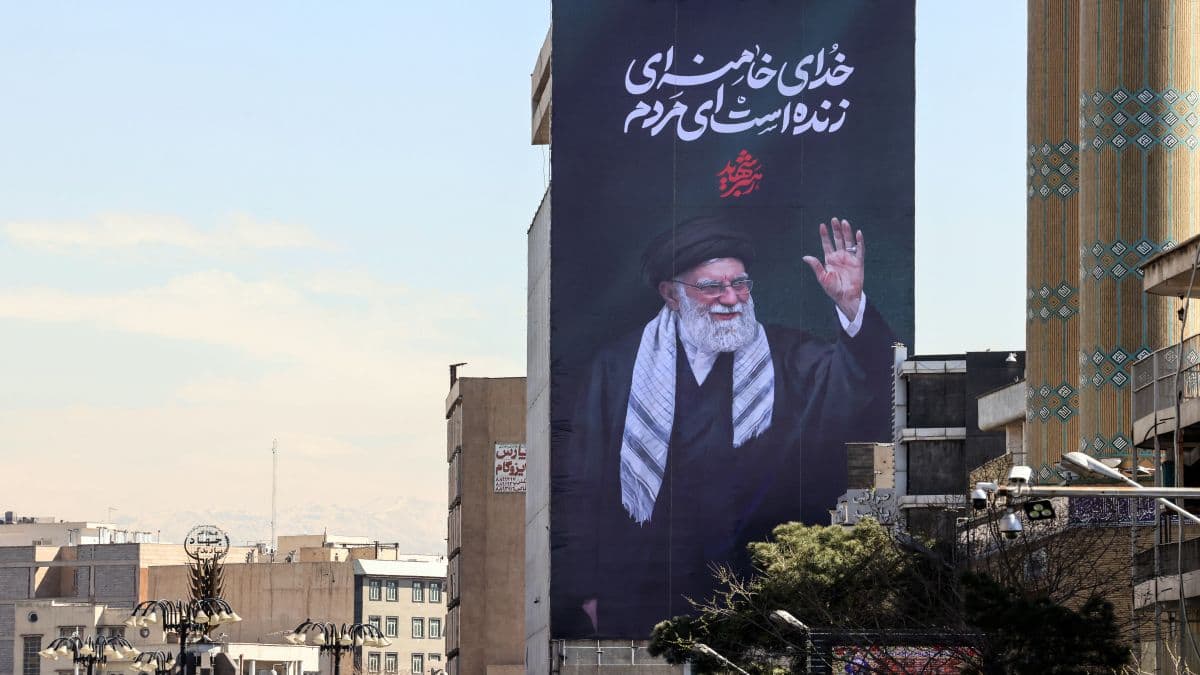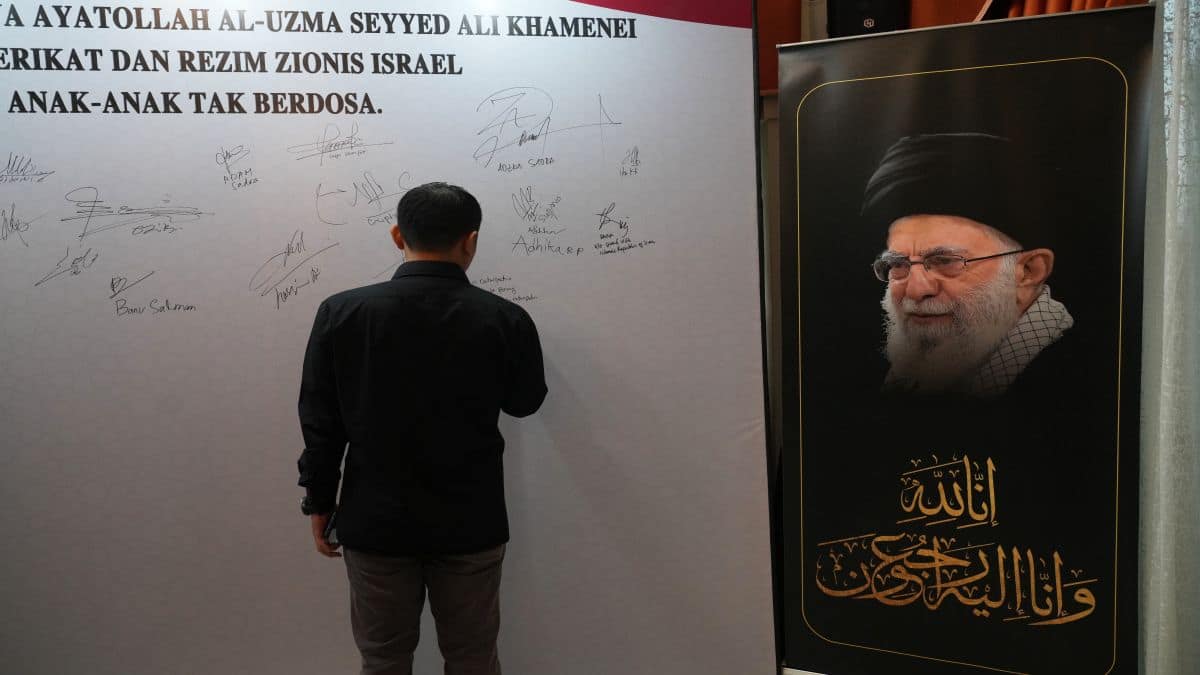
The world is watching Tehran with bated breath. Following the assassination of Ali Khamenei on February 28, 2026, the opaque gears of the Islamic Republic are grinding into motion. If you think the President of Iran is the one calling the shots during this crisis, you’re looking at the wrong office.
In Iran, the President is essentially a high-level administrator. The real power—the kind that moves armies, jails dissidents, and dictates nuclear policy—lives and dies with the Supreme Leader. With the seat currently vacant and an Interim Leadership Council holding the fort, understanding how this office works isn't just an academic exercise. It’s the key to knowing if the Middle East is headed for a total meltdown or a calculated shift.
The Ultimate Veto Power
Don't let the "religious" title fool you. The Supreme Leader, or Rahbar, is a military commander, a supreme judge, and a political kingmaker wrapped into one. While most countries have a separation of powers, Iran has a concentration of them.
Under Article 110 of the Iranian Constitution, the Leader has the final word on literally everything that matters. He doesn't just "influence" the military; he is the Commander-in-Chief. He alone can declare war or peace. He handpicks the heads of the judiciary, the state media, and the top brass of the Islamic Revolutionary Guard Corps (IRGC).
If the Iranian Parliament passes a law the Leader doesn't like, he has a 12-member "Guardian Council" to kill it. He appoints half of that council directly. The other half is nominated by the head of the judiciary—whom he also appointed. It’s a closed loop of authority that makes the President’s role look like a middle-management gig.
Why the President Isn't the Boss
You’ll often see President Masoud Pezeshkian in the headlines talking about diplomacy or economic reform. It sounds promising, doesn't it? But here’s the reality: the President can’t even choose his own Cabinet without the Leader’s blessing.
The major ministries—Intelligence, Defense, Foreign Affairs, and Interior—are effectively under the Leader's thumb. Even the Quds Force, the external wing of the IRGC that operates across Lebanon, Syria, and Yemen, reports directly to the Office of the Supreme Leader, bypassing the President entirely.
When Pezeshkian apologized for recent strikes on Gulf neighbors, he was immediately undercut by the hardliners. Why? Because in Tehran, the "elected" government is often just a facade for the "appointed" deep state.
How a New Leader is Actually Picked
This is where things get messy. On paper, an 88-member body of clerics called the Assembly of Experts chooses the successor. They’re supposed to look for someone with "piety" and "political perspicacity."
In practice, it’s a smoke-filled room situation. The current Assembly is packed with hardliners because the Guardian Council (remember them?) disqualified almost all the moderates before the 2024 elections.
As of March 8, 2026, reports indicate the Assembly has reached a "majority consensus." The name hasn't been dropped yet, but the shortlist is telling:
- Mojtaba Khamenei: The late Leader’s son. Selecting him would be a massive gamble. The 1979 Revolution was built on overthrowing a monarchy; turning the Leadership into a hereditary dynasty could spark a fresh wave of domestic fury.
- Alireza Arafi: A high-ranking cleric who sits on the Interim Council. He’s a "safe" establishment pick who would likely keep the status quo.
- Mohammad-Mahdi Mirbagheri: The hardliner’s hardliner. If he gets the nod, expect zero compromise with the West.
The IRGC Shadow
You can’t talk about the Supreme Leader without talking about the IRGC. They aren't just a military branch; they’re a multi-billion dollar business empire. They control everything from construction firms to telecommunications.
The IRGC needs a Supreme Leader who protects their interests. They tried to rush a selection on February 28 to bypass the formal process. They want someone like Mojtaba Khamenei, who has deep ties to their security apparatus. If the Assembly of Experts picks someone the Guards don't like, we might see the first "clerical" state turn into a full-blown military junta.
The Stakes for 2026
The world is obsessed with whether Iran will "reform." Honestly, under the current structure, reform is a pipe dream. The system is designed to be self-correcting in favor of the religious elite.
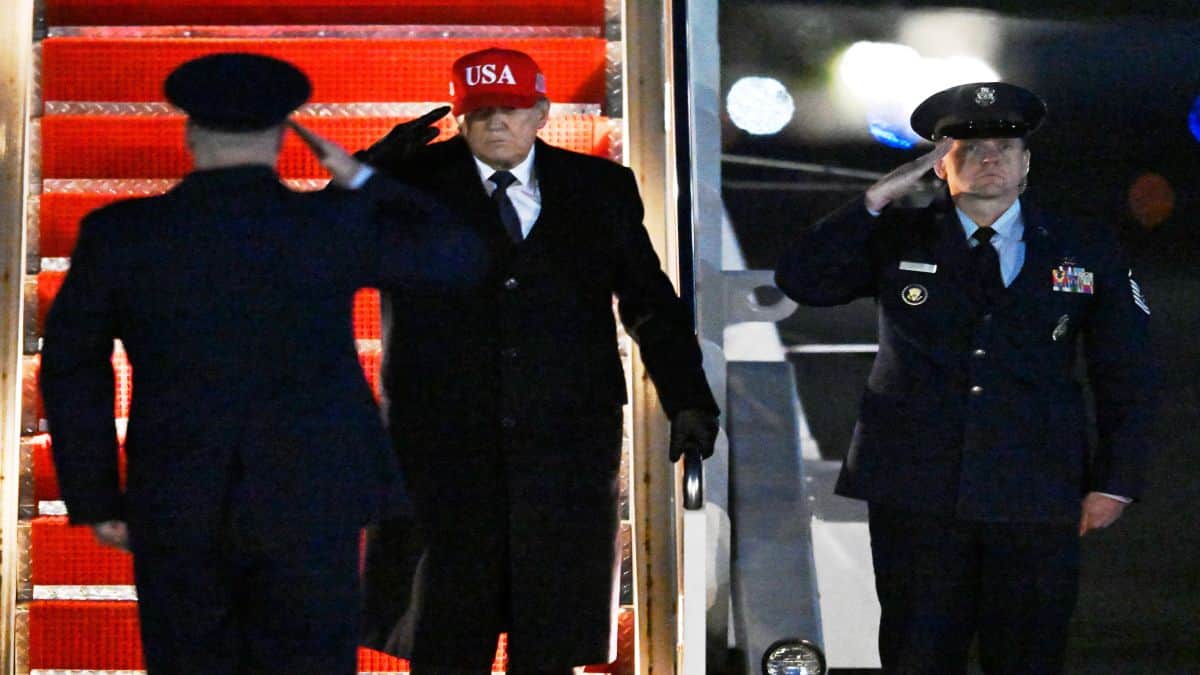
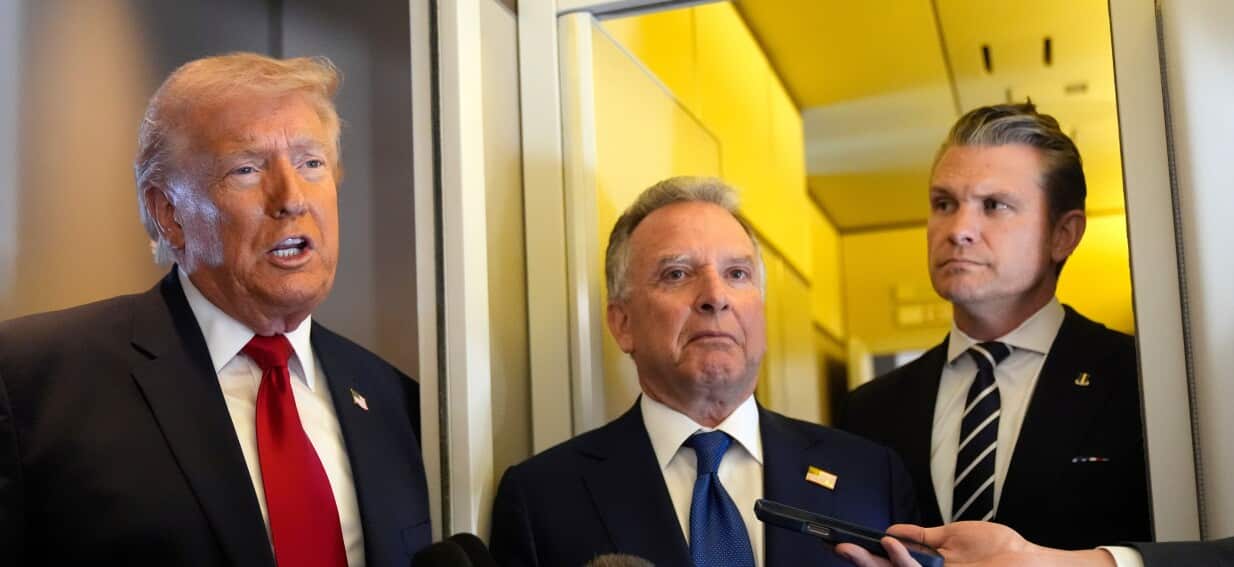
We’re at a point where the "Great Satan" (the U.S.) is trying to influence the pick through threats, while Israel warns it will assassinate whoever takes the job next. It’s a high-stakes game of succession chicken.
The next few days will decide if Iran leans into its revolutionary roots or tries to survive through a dynastic transition. Watch the Assembly of Experts. If they announce Mojtaba, the streets of Tehran will likely burn. If they pick a quiet academic like Arafi, the regime is betting on boring its way to survival.
Keep a close eye on the official announcements from the Assembly of Experts over the next 24 hours. The transition of power in Tehran is the single most important variable for global oil prices and regional stability this year.