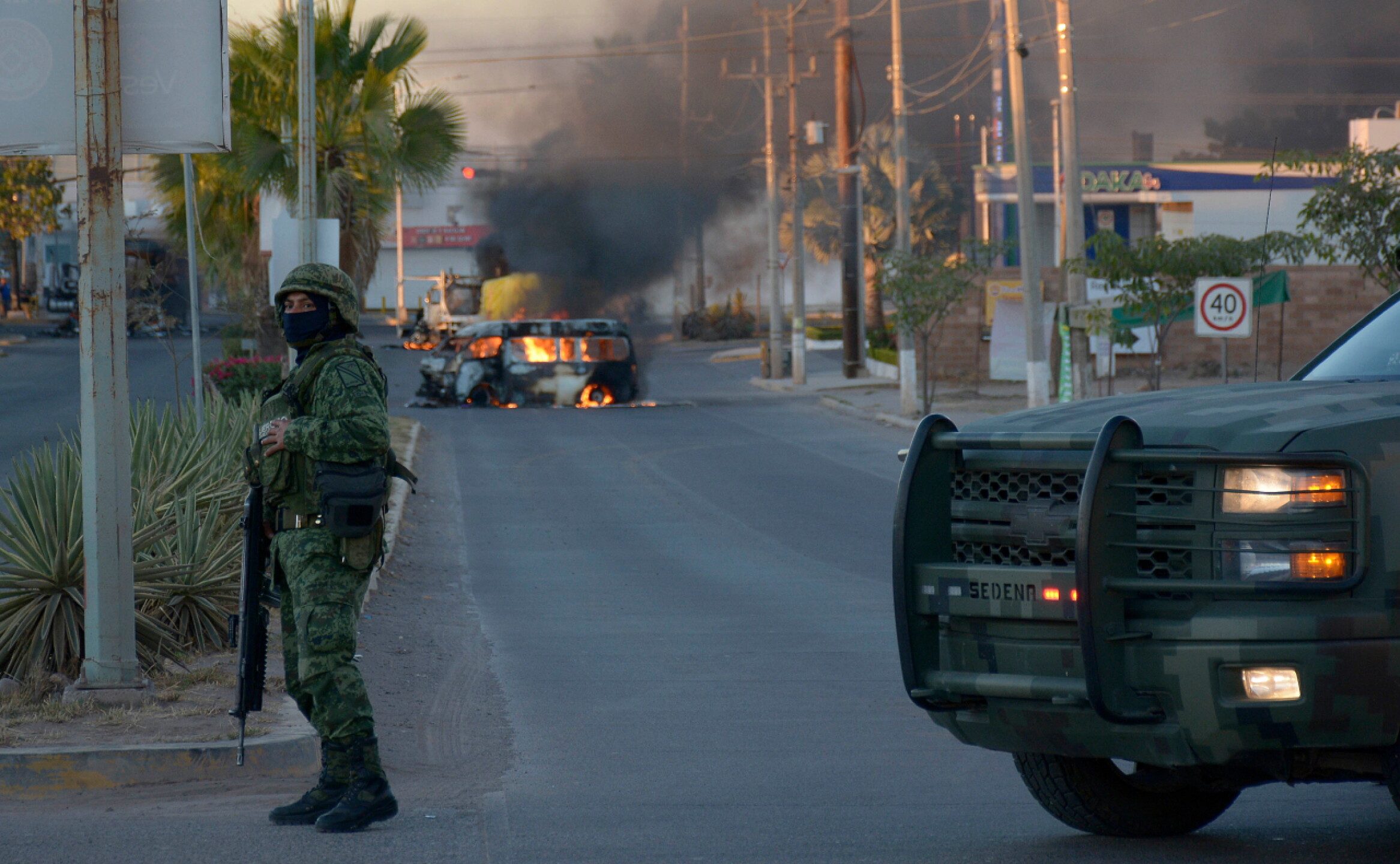
The headlines are screaming again. We are told 6,500 tonnes of munitions are being rushed to the region. We are told Donald Trump is "being briefed" on strike plans as if that hasn’t been a weekly occurrence since 2017. The media wants you to believe we are on the precipice of a "final blow."
They are wrong. Meanwhile, you can find other events here: Diplomatic Rebalancing and the Shanghai Corridor Analysis of India China Envoy Dynamics.
The obsession with tonnage and briefing rooms ignores the cold, hard reality of modern kinetic warfare and the even colder reality of global energy markets. Shipping crates of JDAMs and Hellfire missiles isn't a precursor to a final blow; it’s expensive posturing designed to maintain a status quo that is rapidly slipping away. If you think 6,500 tonnes of explosives can "reset" the Middle East, you aren't paying attention to the math.
The Logistics Fallacy
Mainstream reporting loves big numbers because they sound decisive. 6,500 tonnes of weapons sounds like an armada. In reality, in a high-intensity conflict against a peer or near-peer adversary like Iran, that’s a weekend’s worth of inventory. To see the complete picture, check out the recent article by Al Jazeera.
During the initial stages of Operation Iraqi Freedom, the US dropped over 29,000 munitions in the first 30 days. Iran is not Iraq. It is three times the size, mountainous, and possesses a deeply buried, decentralized military infrastructure. To deliver a "final blow" to Iran’s nuclear and military complex, you don't need a few thousand tonnes of ordnance; you need a multi-month campaign that the US logistics chain—and the American public—is currently ill-equipped to sustain.
The movement of these weapons is a signal, not a strategy. It is "deterrence by inventory." By leaking the scale of the shipment, the administration attempts to freeze Iranian decision-making without actually pulling the trigger. I have watched military planners move assets for decades; the loudest moves are almost always the ones intended to avoid a fight, not start one.
The Myth of the Final Blow
There is no such thing as a "final blow" in the Persian Gulf. This isn't a game of Battleship.
The "lazy consensus" suggests that a surgical strike on Natanz or Fordow ends the threat. This is a fundamental misunderstanding of technical debt and institutional knowledge. You can blow up a centrifuge; you cannot blow up the physics stored in the minds of a thousand Iranian engineers. A strike doesn't "stop" a program; it merely accelerates the transition from a monitored civilian-adjacent program to a deep-underground, high-velocity military one.
Furthermore, any kinetic action against Iran triggers the "Hormuz Variable."
The $200 Oil Reality Check
Let’s talk about the data the pundits ignore. Roughly 20% of the world’s liquid petroleum passes through the Strait of Hormuz. Iran doesn't need to win a naval battle with the US Fifth Fleet to win a war. They only need to sink a handful of tankers or mine the channel.
Imagine a scenario where insurance premiums for VLCCs (Very Large Crude Carriers) spike by 1,000% overnight. Global markets don't wait for a "final blow." They react to the first spark. If the US strikes Iran, oil doesn't just go up; it breaks the global economy.
No president, regardless of their rhetoric, wants to be the one who sent gas to $10 a gallon and crashed the S&P 500 six months before or after an election. The economic cost of a "final blow" is a self-inflicted wound that the US cannot afford.
Intelligence vs. Information
The reports say Trump was "briefed." In DC parlance, being briefed is as common as drinking coffee. Proponents of the "imminent strike" theory point to this as evidence of intent.
It’s actually evidence of the opposite.
Real strikes—the kind that actually change the course of history—happen in the dark. The 1981 Israeli strike on Iraq’s Osirak reactor wasn't preceded by weeks of "leaked" briefings about tonnage. When the US killed Qasem Soleimani, there wasn't a press release about the drone's fuel capacity three days prior.
This current narrative is a manufactured leak. It’s designed to provide leverage in back-channel negotiations. We are seeing a masterclass in "coercive diplomacy," where the threat of violence is used to extract concessions. The problem is that the more you broadcast the threat, the less credible it becomes.
The Asymmetric Disconnect
The competitor's article focuses on "6,500 tonnes of weapons." This is 20th-century thinking. Iran’s strength isn't in matching US tonnage; it’s in asymmetric dispersal.
- Proxy Saturation: A strike on Tehran doesn't happen in a vacuum. It happens in Beirut, Baghdad, and Sana'a.
- Cyber Retaliation: Iran’s offensive cyber capabilities against the US financial sector are a far more likely response than a conventional naval engagement.
- Drone Swarms: The cost-to-kill ratio is heavily skewed. A $20,000 Shahed drone requires a $2 million interceptor missile to bring down.
When you look at the math, 6,500 tonnes of "advanced weapons" looks less like a hammer and more like an expensive band-aid for a bleeding strategy.
The Missing Nuance: Internal Iranian Mechanics
The consensus assumes Iran is a monolith waiting to be hit. In reality, the Iranian leadership thrives on external threats. Nothing solidifies a fractured regime like an American bomb falling on its soil.
The contrarian truth is that the US military knows a strike is the least effective way to achieve long-term regional stability. The hawks in Washington talk about "decapitation," but the professionals in the Pentagon talk about "unintended consequences." They know that hitting Iran is like hitting a hornet's nest with a sledgehammer: you might destroy the nest, but you’re going to get stung until you go into anaphylactic shock.
Stop Asking "When?" and Start Asking "Why?"
The media asks: "When will the strike happen?"
The wrong question.
The right question is: "What does the US gain that it hasn't already lost?"
A strike doesn't bring Iran to the table; it burns the table. It doesn't secure the region; it sets it on fire. It doesn't protect Israel; it forces a multi-front war that would stretch the IDF to a breaking point.
The movement of 6,500 tonnes of weapons is the geopolitical equivalent of a bodybuilder flexing in a mirror. It looks impressive, but it doesn't mean he's ready for a street fight.
The "final blow" is a myth sold to a public that craves simple solutions to complex, generational problems. It’s a narrative designed to fill airtime and justify defense budgets. If a strike were actually coming, you wouldn't be reading about the weight of the bombs on a news site.
The planes would already be home.
Stop waiting for the explosion. The real war is being fought in the currency markets, the cyber domain, and the diplomatic shadows. The 6,500 tonnes are just theater.
Go buy a coat. It’s going to be a long, cold stalemate.