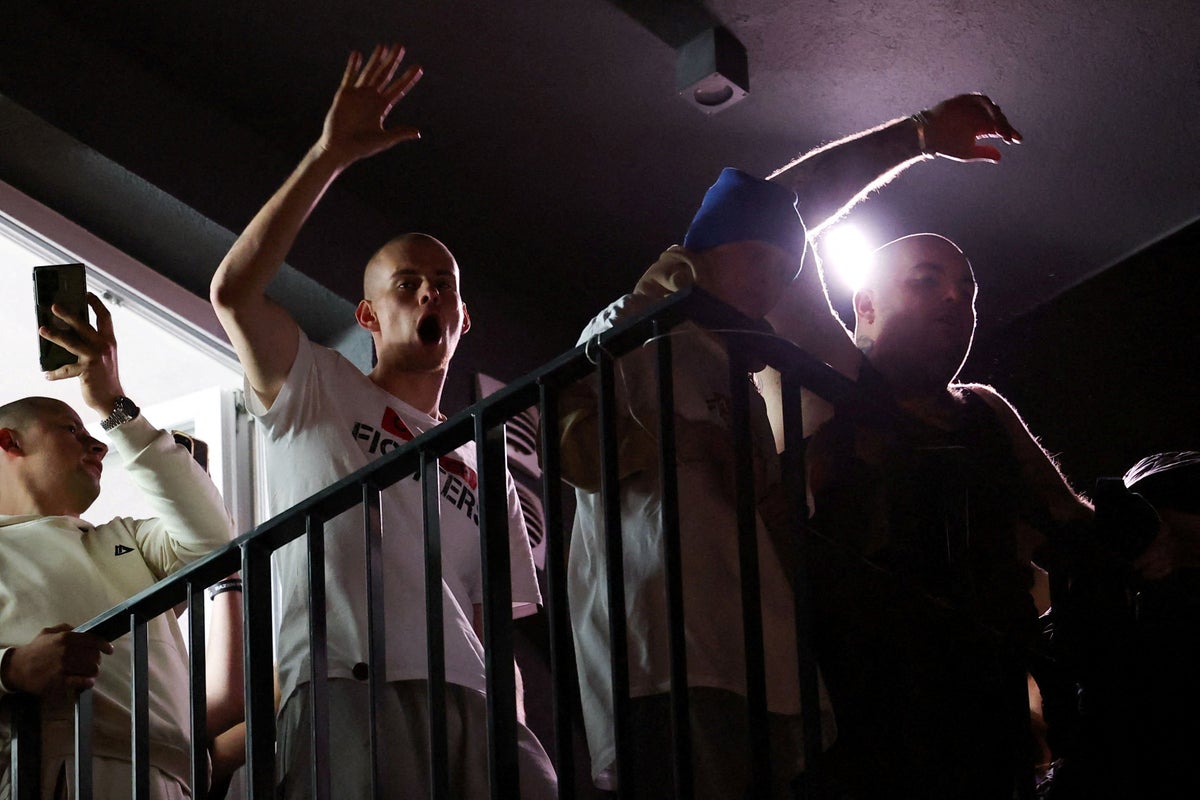
The headlines are dripping with sentimentality. A Polish influencer streams for nine days, raises £50 million for pediatric oncology, and the world applauds the "power of community." It feels good. It makes for a great press release. It is also a glaring symptom of a broken philanthropic model that prizes spectacle over sustainability.
We are cheering for a massive capital misallocation.
I have spent a decade watching digital creators pivot into "impact" work. Most of them are well-intentioned. None of them understand the economic distortion they create when they treat life-saving medical funding like a high-score leaderboard. While the world celebrates a nine-day sprint, they ignore the fact that high-velocity, emotional giving is the most inefficient way to solve systemic health crises.
The Dopamine Trap of Event Based Giving
The £50 million figure is staggering, but let’s look at the mechanics. This wasn't a calculated investment in long-term infrastructure. This was a dopamine-fueled blitz.
In the nonprofit world, there is a concept known as "donor fatigue," but there’s a more dangerous cousin: "attention-jacking." When an influencer pulls £50 million out of the ecosystem in a single week, they aren't necessarily creating new wealth for charity. They are vacuuming up the oxygen. Smaller, localized charities that provide the boring, unsexy, day-to-day support for cancer patients don’t have a professional lighting rig or a charismatic host. They have overhead. They have rent. And now, they have empty mailboxes because the "giving budget" for the quarter was spent during a 2 a.m. gaming marathon.
The crowd-funded windfall creates a "feast or famine" cycle. Hospitals cannot hire permanent staff or commit to multi-year research projects based on a viral moment.
Imagine a scenario where a hospital receives £10 million on Tuesday.
- They can buy a new MRI machine. Great.
- They can renovate a wing. Fantastic.
- Can they hire three world-class oncologists for the next fifteen years? No.
Why? Because there is no guarantee the influencer will go live next year. There is no recurring revenue. This is "lumpy" capital. It’s a lottery win when the patient needs a salary.
The Influencer Tax and The Myth of Efficiency
The narrative suggests that these streams are "pure" because they bypass traditional corporate bureaucracy. This is a fallacy.
When a massive sum like £50 million hits a foundation through a viral event, the administrative cost to deploy that capital effectively—without waste or corruption—is astronomical. Traditional NGOs are often criticized for their "bloated" overhead. But overhead is just another word for "making sure the money doesn't get stolen or spent on useless equipment."
When we celebrate "zero-overhead" viral campaigns, we are actually celebrating a lack of oversight. I’ve seen organizations drown in sudden wealth. They don't have the procurement departments to handle £50 million. They don't have the vetting processes for vendors. They end up overpaying for "turnkey" solutions just to move the money off the books before the next tax cycle.
The "influencer tax" is paid in inefficiency. We trade the boring reliability of the Red Cross for the chaotic energy of a Twitch chat. It’s a bad trade.
Gamifying Trauma is Not a Strategy
Let’s be brutally honest about the content.
To raise £50 million in nine days, you cannot simply explain the complexities of CAR-T cell therapy. You have to perform. You have to manufacture "milestones." You have to use the aesthetics of gaming—sub goals, alerts, loud noises, and public call-outs—to extract cash from a young, often financially vulnerable demographic.
This gamification of pediatric cancer is a race to the bottom. It turns a medical tragedy into a "hype train." It rewards the most performative tragedy rather than the most pressing need.
Why did this stream raise £50 million while a stream for malaria or clean water—diseases that kill far more people for far less money—would struggle to hit £50,000? Because cancer is a "marketable" tragedy in the West. It has better optics.
When we let influencers dictate where the money goes based on what "content" it generates, we are abdicating our responsibility to use data-driven philanthropy. We are letting the algorithm decide who lives.
The Hidden Cost of the Nine Day Sprint
The competitor's article highlights the physical toll on the creator. The sleep deprivation. The "heroism."
This is toxic. It promotes a version of philanthropy that is about the giver’s sacrifice rather than the recipient’s outcome. It suggests that for money to be "earned" by a charity, a creator must suffer on camera.
This isn't activism; it's asceticism for views.
The real work of curing cancer happens in quiet labs, through decades of boring, repetitive testing. It happens in the halls of government through policy changes that lower drug prices. It does not happen because someone stayed awake for 200 hours playing Minecraft. By centering the influencer, we marginalize the professionals. We make the doctor a supporting character in the creator’s "redemption arc."
Metrics That Actually Matter
If we want to fix this, we have to stop looking at the "Total Raised" figure as the only metric of success. It’s the shallowest data point available.
Instead, ask these questions:
- The Cost Per Acquisition (CPA): How much did it cost in marketing, production, and platform fees to raise that pound?
- The Retention Rate: What percentage of those 100,000 donors will give again next month without a celebrity telling them to?
- The Displacement Factor: How much did this event cannibalize from existing, stable donor bases?
I have worked with brands that thought a viral moment was a shortcut to brand loyalty. It never is. It’s a spike that leaves a crater behind it.
Moving Toward "Boring" Philanthropy
The counter-intuitive truth? If you want to help children with cancer, don't wait for a livestream.
Set up a direct debit to a research institute that has been doing the work for fifty years. They don't need a mascot. They need a budget. They need the ability to plan for the year 2030, not just the next nine days.
The Polish livestream wasn't a breakthrough. It was a circus. And while the circus might raise enough to buy the tent, it’s the people who stay behind to clean up the mess who actually do the work.
Stop falling for the spectacle. Stop rewarding the "shattering of records" as if philanthropy were an Olympic sport.
Real impact is silent, consistent, and remarkably un-streamable.
If your charitable giving requires a "hype train" to trigger it, you aren't a donor. You're an audience member paying for a performance.
The children don't need a hero with a webcam. They need a system that doesn't rely on one.