The world’s most important energy chokepoint is currently a no-go zone, but that’s about to change. On Sunday, NATO Secretary General Mark Rutte confirmed that a 22-nation coalition is moving into position to break the Iranian blockade of the Strait of Hormuz. This isn't just a handful of Western powers flexing their muscles. It’s a massive, coordinated effort involving everyone from NATO heavyweights to Pacific allies like Japan and South Korea, and even regional players like the UAE and Bahrain.
If you’ve looked at your gas bill or the price of shipping lately, you know why this matters. Roughly 20 million barrels of oil and 20% of global liquefied natural gas (LNG) flow through this narrow strip of water every single day. Or at least, they did until the recent escalation. Iran’s effective closure of the strait has sent shockwaves through the global economy, and the international community has finally decided that enough is enough.
Why this 22 nation group is different
We’ve seen maritime coalitions before, but this one feels heavier. Usually, these groups are led by the U.S. with a few European partners tagging along. This time, the roster is a "who’s who" of global economic interests. Besides the core NATO members, you have Australia, New Zealand, and two of the world's largest energy consumers: Japan and South Korea.
The involvement of the UAE and Bahrain is particularly telling. These are countries that live in the neighborhood. Their participation sends a clear message to Tehran that the "resistance" isn't just a Western phenomenon. It’s a global demand for stability. Rutte was blunt in his interview with Fox News, stating that the group is "making sure that the Strait of Hormuz is free" and "opening up as soon as possible."
The players on the board
The coalition includes a diverse mix of naval powers and strategic partners. Here is a look at the confirmed participants:
- North America: United States, Canada
- Europe: United Kingdom, France, Germany, Italy, Netherlands, Denmark, Latvia, Slovenia, Estonia, Norway, Sweden, Finland, Czech Republic, Romania, Lithuania
- Asia-Pacific: Japan, South Korea, Australia, New Zealand
- Middle East: United Arab Emirates, Bahrain
The Trump factor and the 48 hour ultimatum
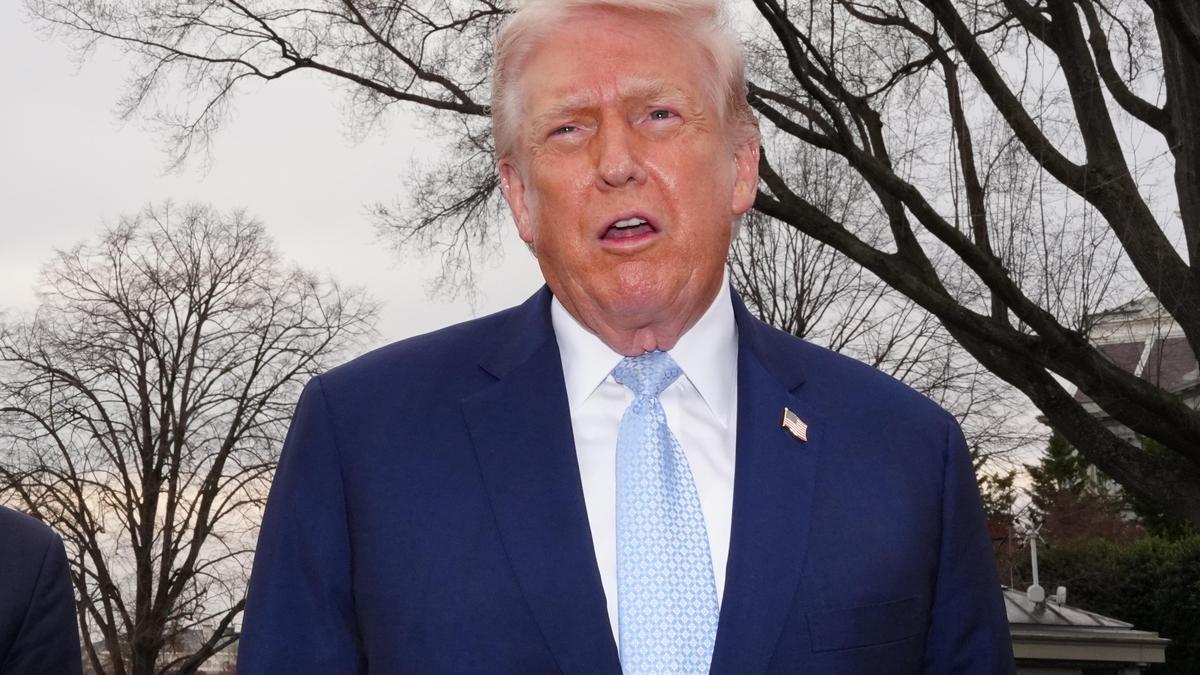
You can't talk about this without mentioning the pressure coming from Washington. President Trump hasn't exactly been subtle. Over the weekend, he threatened to "obliterate" Iran’s power plants if the waterway didn't reopen within 48 hours. That’s a terrifyingly short window in the world of high-stakes diplomacy.
Trump’s rhetoric has been a double-edged sword for NATO. On one hand, it’s pushed the alliance to stop dragging its feet. On the other, it’s created a "ready, fire, aim" atmosphere that has some military planners sweating. Rutte admitted that NATO took a few weeks to "calibrate" its response, partly because they needed to ensure they weren't just reacting to a social media post but were building a sustainable military framework.
What a "reopening" actually looks like
Don't expect a single "Mission Accomplished" moment. Reopening a contested waterway like the Strait of Hormuz is a grinding, dangerous process. It’s not just about sailing a few destroyers through and hoping for the best.
- Minesweeping: Iran has a massive inventory of naval mines. Clearing these is slow, tedious, and incredibly risky work.
- Drone and Missile Defense: Iran’s drone capabilities have been "degraded" according to U.S. intelligence, but they aren't gone. Ships will need constant top-cover to ward off swarm attacks.
- Convoy Escorts: Commercial tankers aren't going to sail alone. We’re looking at a return to the "tanker war" tactics of the 1980s, where warships flank civilian vessels in tight formations.
The economic stakes are astronomical
The International Energy Agency (IEA) has already authorized the release of 400 million barrels from strategic reserves to keep things from spiraling, but that’s a band-aid. The real fix is getting the tankers moving again.
Shipping insurance premiums have already gone through the roof. If the strait stays closed, it’s not just gas prices that go up; it’s everything. Food, electronics, and medicine all rely on the energy that fuels the ships carrying them. The 22-nation group knows that failure isn't an option because an "indefinite" closure would likely trigger a global depression.
Moving beyond the blockade
What happens if Iran doesn't blink? The coalition is currently in the "preparatory planning" phase, but Rutte was clear that they are determining "what is needed, when it is needed, and how to carry it out." This isn't a suggestion; it’s a mobilization.
The next few days are critical. Watch for the movement of naval assets from the Mediterranean and the Indo-Pacific toward the Gulf of Oman. If the 48-hour deadline passes without a change in Iranian posture, the world might witness the largest coordinated naval operation since the first Gulf War.
If you're tracking the impact on your own life, keep an eye on the Brent Crude oil index and the "war risk" surcharges added to international shipping. These are the real-time thermometers of the crisis. For now, the best thing you can do is stay informed and prepare for continued volatility in energy markets until the first escorted convoys successfully clear the Musandam Peninsula.