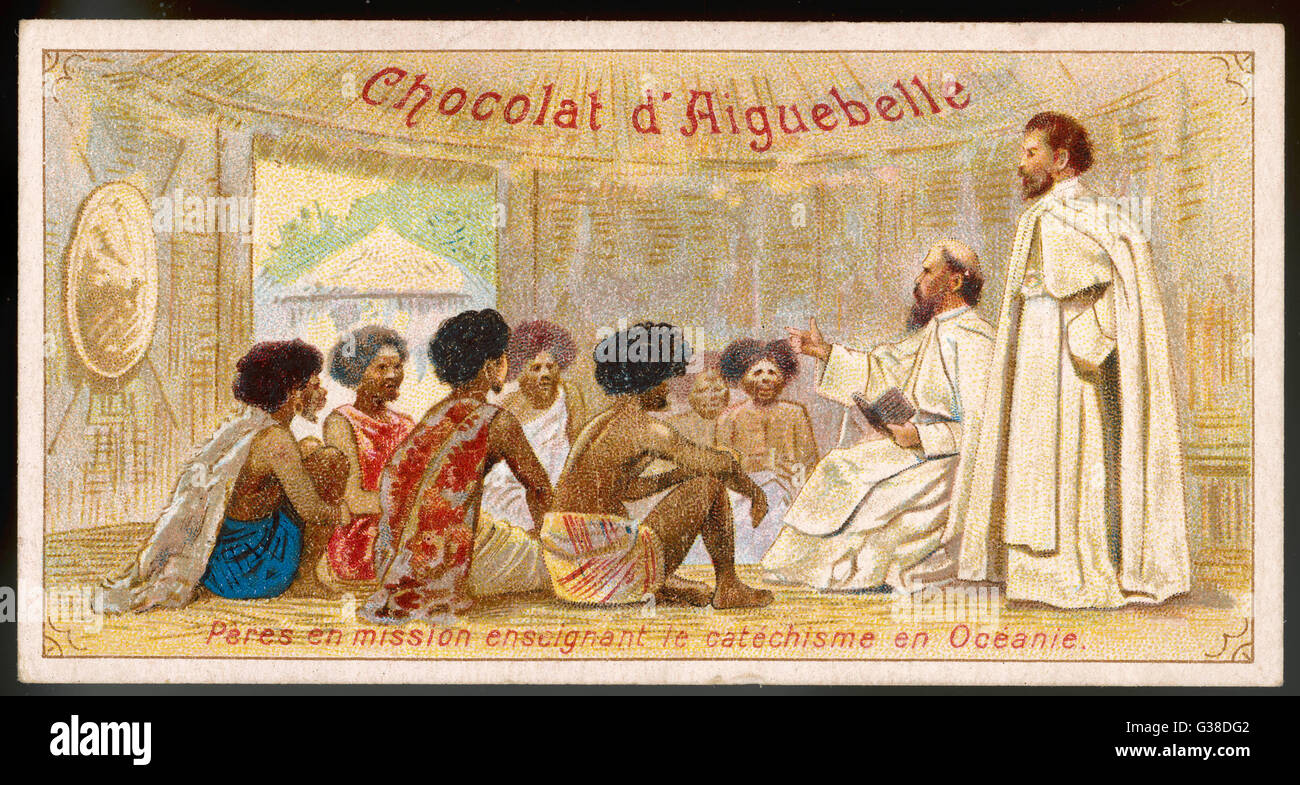
The traditional narrative of Western missions in China is a fairy tale of pious martyrs or a horror story of colonial ghosts. Both versions are lazy. They focus on the "soul" while ignoring the software. If you look at the 19th-century push into the Middle Kingdom through the lens of spiritual conversion, it was a colossal, billion-dollar failure. But if you look at it as the greatest unauthorized technology transfer in human history, it changed the world.
History books love the drama of the Boxer Rebellion or the "heroic" trek into the interior. They miss the data. The real story isn't about how many people started praying to a new God; it’s about how the printing press, the scalpel, and the steam engine dismantled a 2,000-year-old imperial bureaucracy.
The Conversion Myth
Let’s look at the numbers. By the turn of the 20th century, after decades of "bold" evangelism and massive capital investment from London and New York, Christians made up less than 1% of the Chinese population. In any other industry, a 1% market share after a century of operations would result in the immediate firing of the entire C-suite.
The "lazy consensus" is that these missionaries failed because of cultural friction. That’s a surface-level take. They failed because they were trying to sell a Western metaphysical product to a civilization that already had a highly optimized, state-integrated moral operating system. Confucius didn’t need a rewrite.
The real disruption happened in the "ancillary" services. While the preachers were shouting at crowds in village squares, the doctors and educators were rewriting China’s DNA.
Smuggling Science Under the Cloak of Divinity
Missionaries didn't just bring Bibles; they brought the Scientific Revolution in a suitcase. Peter Parker (the ophthalmologist, not the superhero) didn't just open eyes in Canton; he introduced Western surgery. Before the missions, Chinese medicine was dominated by humoral theory and herbalism. Parker and his successors introduced the concept of the hospital as a centralized, data-driven institution.
This wasn't an act of "charity." It was a massive, unintended pilot program for modern Chinese infrastructure.
- The Printing Press: Missionaries like Robert Morrison realized they couldn’t talk to everyone. So, they mechanized the Chinese language. They developed movable type for Chinese characters, effectively ending the era of slow, expensive woodblock printing. They didn't just print Bibles; they printed the first modern newspapers and science textbooks.
- The Educational Pivot: By the late 1800s, the "evangelism first" crowd was losing the internal board meeting. A new faction argued for "Christianizing through civilization." They built St. John’s University and Yenching University. These weren't seminaries. They were incubators for the elite who would eventually overthrow the Qing Dynasty.
The Taiping Rebellion: A Product Bug That Killed 20 Million
If you want to see what happens when missionary messaging gets "hallucinated" by the local population, look at the Taiping Rebellion. Hong Xiuquan, a failed civil service exam candidate, got his hands on some poorly translated tracts. He decided he was the younger brother of Jesus and launched a civil war that killed more people than World War I.
This is the dark side of the "heroic move" narrative. When you drop a radical, individualistic ideology into a highly stratified, stressed society without an instruction manual, you don't get a "bold move." You get a geopolitical meltdown. The missionaries weren't just "spreading light"; they were handing out matches in a fireworks factory.
The Institutional Legacy
The modern Chinese state, despite its official stance on religion, is built on the skeletal remains of missionary institutions.
Think about the Rockefeller-funded Peking Union Medical College. It was the gold standard of medical education, born from the missionary impulse to "heal the sick." It became the blueprint for the entire national health system of the People's Republic. The missionaries provided the Western "UI" (User Interface) for Chinese governance—standardized testing, specialized departments, and public health initiatives.
Why the "Hero" Label is Intellectually Cheap
Calling these individuals "heroes" or "villains" is a binary trap for people who can't handle complexity.
The missionaries were the venture capitalists of their era. They took high-risk bets in "emerging markets" with capital they didn't own. Most of them lost everything. But the "intellectual property" they left behind—the schools, the journals, the scientific methods—became the bedrock of China’s 20th-century modernization.
I’ve seen modern non-profits make the same mistake today. They go into a region to "fix" a specific social issue, totally oblivious to the fact that their true impact will be the unintended side effects of their logistical presence.
The Real People Also Ask:
- Did they help China? Yes, but not in the way they intended. They provided the tools for a secular revolution, not a spiritual one.
- Were they colonialists? They were "soft power" precursors. They didn't carry guns (usually), but they paved the way for those who did by destabilizing the local cultural monopoly.
- Is the "Bold Move" narrative accurate? It’s a marketing spin for donors back home. The reality was a messy, often violent collision of two incompatible operating systems.
The Great Irony
The ultimate contrarian truth is this: The missionaries spent a century trying to turn China into a Western-style Christian democracy. Instead, they provided the technical and institutional tools that allowed China to modernize and eventually challenge the West. They didn't save China; they equipped it.
If you’re still reading the hagiographies of "heroic missionaries," you’re reading a brochure. The real history is in the logistics, the typography, and the unintended consequences of trying to "disrupt" a civilization that had been around longer than the concept of the West itself.
Stop looking at the cross. Start looking at the printing press.

