The headlines are screaming about a "supply shock." Pundits are dusting off their 1970s playbooks, predicting a global collapse because Iran and the West are finally trading blows. They see $115 a barrel and smell blood.
They are wrong.
While the "consensus" crowd stares at the flickering screens of the ICE and NYMEX, they are missing the fundamental shift in how energy actually moves in 2026. This isn't your father's oil crisis. The $115 spike isn't a signal of scarcity; it’s a desperate, last-gasp tantrum by speculators who haven't realized that the Middle East's ability to hold the world hostage has been systematically dismantled.
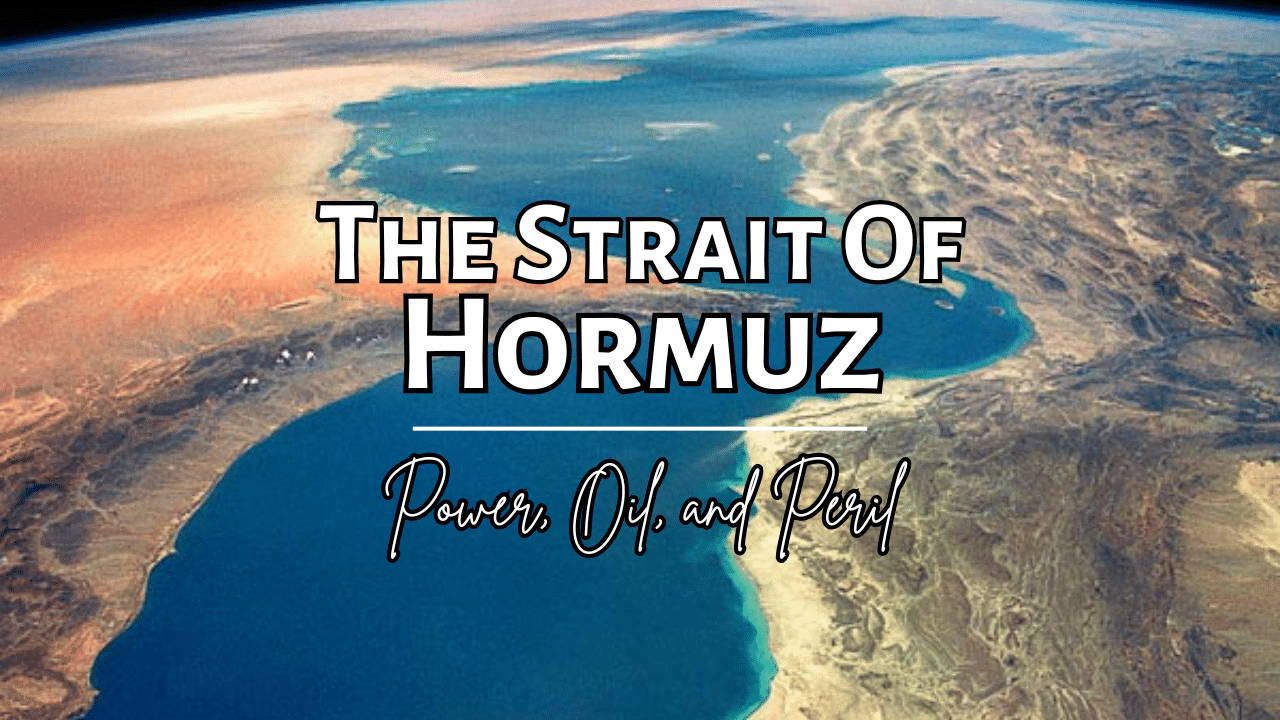
The Myth of the Strait of Hormuz Chokepoint
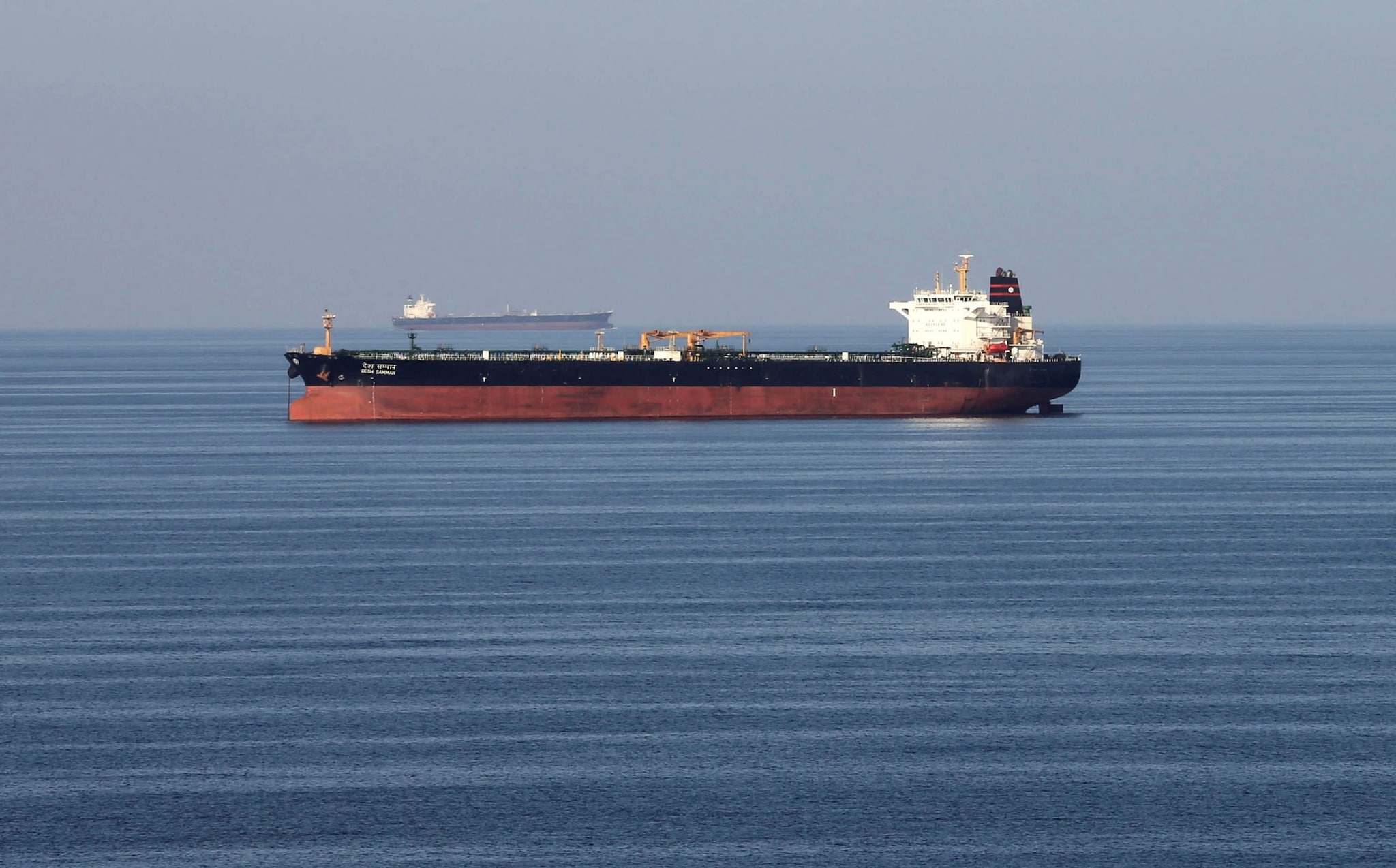
Every time a drone flies near a tanker, the market adds a "risk premium." The theory is simple: if Iran closes the Strait of Hormuz, 20% of the world’s oil vanishes.
This is a ghost story told to frighten retail investors.
In reality, closing the Strait is an act of economic suicide that Iran cannot afford, but more importantly, it's a move that the modern logistics network is built to bypass. Between the East-West Pipeline in Saudi Arabia and the Abu Dhabi Crude Oil Pipeline, millions of barrels per day can already skirt the chokepoint.
Furthermore, the "impeded production" narrative ignores the massive floating storage currently sitting off the coast of Asia. We aren't running out of oil. We are running into a temporary insurance and shipping bottleneck. Those are math problems, not existential ones.
The Invisible Glut No One Mentions
If you want to understand why $115 is a ceiling, not a floor, look at the "Dark Fleet."
For years, sanctioned oil has moved through backchannels, often at deep discounts. When "official" prices spike, the incentive for this shadow market to expand becomes irresistible. I’ve watched traders try to price in a "war deficit" only to realize three weeks later that the volume never actually dropped—it just changed its paperwork.
- Fact Check: Non-OPEC+ production is at record highs.
- The Reality: US, Guyanese, and Brazilian output is structurally designed to fill the vacuum created by Middle Eastern volatility.
Every dollar oil rises above $90 acts as a massive stimulus for high-cost drilling projects that were previously on ice. We are currently seeing a frantic acceleration of completion tech that makes $115 oil the most effective marketing campaign for American energy independence ever devised.
The Demand Destruction Trap
The "lazy consensus" assumes that demand is inelastic—that people will pay whatever it takes to keep their cars running.
They won't.
At $115 a barrel, the economic friction becomes so high that the global economy self-corrects. We are seeing it already in the freight indices. Shipping companies aren't just paying more for fuel; they are optimizing routes, slowing down vessels (slow steaming), and canceling low-margin shipments.
When the price of the input exceeds the value of the output, the market stops. The current spike is sowing the seeds of its own destruction. By the time the "Iran war" narratives reach their fever pitch, the demand side will have already cratered, leading to a price collapse that will make 2014 look like a gentle dip.
Stop Asking About Supply
The most common question I see is: "Where will we get the oil if the rigs stop?"
It’s the wrong question.
The question you should be asking is: "Who is actually buying $115 oil?"
Refinery margins are already thinning. In many parts of the world, it is literally cheaper to keep a refinery dark than to process crude at these prices and try to sell the finished product to a consumer whose wages haven't moved in two years.
The Illusion of "War Scarcity"
Imagine a scenario where the Strait of Hormuz is actually blocked for thirty days. The media would portray this as the end of Western civilization.
In this scenario, Strategic Petroleum Reserves (SPR) across the IEA nations would be unleashed. We have months of cover. More importantly, the Chinese economy—the primary engine of global oil demand—is currently in a structural pivot away from internal combustion.
If you are betting on $150 oil based on a Middle Eastern conflict, you are betting against the most aggressive technological transition in human history. High prices don't cause a shortage; they cause a substitution.
The Speculator's Tax
The current price isn't reflective of barrels of oil; it’s reflective of barrels of fear.
Financial players—hedge funds and algorithmic traders—are responsible for roughly $25 to $30 of the current price. They are playing a game of musical chairs. They buy the "war" headline, wait for the spike, and then dump their positions on the "sucker" retail investors who think they are "hedging against inflation."
I’ve seen this play out in 2008, 2011, and 2022. The script never changes.
- Geopolitical event occurs.
- Prices spike on "uncertainty."
- The actual physical supply remains largely stable.
- Speculators take profits.
- The price reverts to the mean, leaving the "true believers" holding the bag.
Why Your Portfolio is in Danger
If you are buying oil majors right now because you think $115 is the new normal, you are making a catastrophic mistake.
The volatility we are seeing is a sign of a broken price-discovery mechanism. The market can no longer accurately value a barrel because it is obsessed with the next 24 hours of news cycles rather than the next 24 months of supply-demand balance.
The real opportunity isn't in the oil itself. It’s in the services and infrastructure that profit from the chaos of the transition. The companies that help refineries pivot to cheaper feedstocks or the logistics firms that find ways around the Strait—those are the plays.
The crude oil price is a lagging indicator of a dying era.
The Brutal Truth
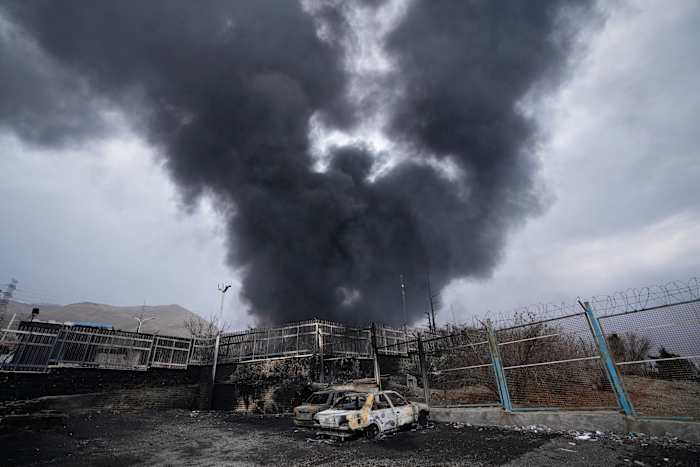
The Iran war is a tragedy of human and political proportions, but as an economic catalyst, it is a blunt instrument that has lost its edge. The world is more resilient, more diversified, and more fed up with energy blackmail than the "experts" realize.
$115 isn't a signal to buy. It's a signal to get out before the gravity of reality reasserts itself.
The spike is the peak. The drop will be silent, swift, and devastating for anyone who believed the hype.
If you’re still waiting for $150 oil to save your energy stocks, you aren't an investor; you’re a casualty of a narrative that died a decade ago. Stop looking at the tankers in the Persian Gulf and start looking at the inventory levels in Oklahoma. That’s where the real war is being lost.